RSS

Category Archives: Politics

Mistaken identity? Africa’s new challenge

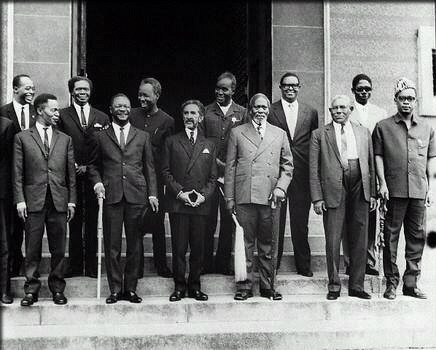
The continent has recently been swimming in Golden Jubilee celebrations culminating in the Heads of State Summit held in Addis Ababa in Ethiopia. The African Union (previously OAU) has clocked 50 years since officially coming to life in 1963.

An existence of half a century is worth applauding and as Africans, we joyfully embrace this milestone.

However, with age comes responsibility and huge expectation. That is the stage our continent has reached. A time that demands more progress, selflessness and development for its people.

The dark continent?

Africa has for a long time carried the tag of the “dark continent”. This is simply on account of the many things wrong that have consistently been highlighted about Africa.

It is not just about the media machinery in the West and how they have portrayed this resource rich continent. We as Africans led by our political leaders have done ourselves enormous disservice.

What with a much publicised tattered past since the colonialism era. Africa has been sucked deeply into underdevelopment thanks to political instability, dictatorships, rampant corruption, governance incompetence and overall failure.

Africa has documented spells of military rule with about more than 70 coups and 13 presidential assassinations between the early 1960s and 1980s. This has not helped in the leadership and development spheres.

Therefore, as the 50 year gong reverberates, what also comes to the fore is the challenge to all of us to rebrand our beloved continent and take our place on the world stage as a leading continent. Because only we can prove our identity has been mistaken and widely associated with perpetual failure.

The case of a sleeping giant

The debilitating poverty and lack of development the continent faces is a huge mismatch given its inherent wealth.

Africa is the second largest continent and with 55 nations is also the second most populous continent with over 1 billion people. Most of the continent’s population is young, a critical factor for economic growth.

With a growth of approximately 5%, it has become one of the continents with a steady and decent rate of growth in the recent past.

That is not all. When one assesses Africa’s mineral wealth, the challenge and realisation grows even more. According to Wikipedia, Africa is believed to hold 90% of the world’s cobalt and platinum, 50% of gold, 98% of chronium, 70% of tantalite, 64% of manganese and 1/3 of uranium.

A country like the Democratic Republic of Congo (DRC) has 70% of the world’s Coltan (used in mobile phones) and 30% of the world’s diamonds reserves. The wealth on this continent is outstanding.

Should we be where we are?

The answer is a resounding no. What has gotten Africa where we are has provided sufficient lessons for progress.

Anything less than that will be a betrayal. The continent now cries aloud for her people to move her forward, out of the poverty doldrums.

The lack of progress we have witnessed has largely been attributed to factors such as the spread of deadly diseases like HIV/AIDS and malaria, corrupt governments that short change their people, defective and myopic planning, not forgetting the painfully high levels of illiteracy.

When one observes all these and Africa’s past, it is easy to lose hope. It seems more likely that this is a miserable state in perpetuity. We seem to have had the bleak side of things longer and more than anything possible.

But contrary to what may appear to be popular belief, it is because of this past that hope is boundless.

Believing in the future now

Africa has everything it needs to attain the development required to make a difference. But she must break from her poverty dented past and all the ills that led to the chronic failure.

The global economy has endured turmoil in the recent past. The economic turbulence has been a constant source of concern with the developed world rattled the most.

The twin reality that has arisen is the fact that while the developed world suffers, Africa has been elevated into prominence. She offers the string of survival the world now needs. With her minerals, resilience, attractive economic growth rates and population, one can see a mighty giant awakening.

The world needs Africa.

But not much will be achieved if Africa and her people fail to realise this. The leaders and citizenry have to step up, embracing this challenge for progress to become a reality.

Simplistic as it may sound, right now Africa needs a large dosage of self-belief, a deep confidence in her potential, abilities and independence. It is a continent that must wean itself from the “mother” it has become so dependent on, the West or any other but herself.

Belief and progress a pipedream?

There are a few things Africa must now focus on to turn her fate around.

1. Transformational leadership- times have changed and the state of the world has evolved. Africa now needs an ambitious and progressive brand of leadership. One that appreciates its inherent value and is bold enough to stand, create and claim what the continent deserves.

It is time Africa veered away from politics of patronage and petty mindsets that do not dream beyond individual bellies. It is time for responsible and progressive leadership.

2. The illiteracy battle-this is a must item on Africa’s agenda. The levels of illiteracy are disheartening. And as a result, mediocrity has found a home and even despicable leadership with a poor work ethic can get away with murder.

To achieve sustainable development, a thriving democracy and the well-being of the citizens, education is critical. This is one factor that can no longer be delayed or ignored without paying an astronomical price.

3. Science and research-we face peculiar circumstances as a continent. It follows therefore that we also require unique solutions.

Africa has never been known for its impact in the world of science or innovation. That does not in any way entail it does not have the human resource or intelligence to succeed in this sphere.

We need to research more, explore more and invent more. There are a lot of advancements that have already been made and we can still study these and adapt them to life changing application on our continent. This is in fields such as agriculture, mining, construction, manufacturing, health and education. Whether it be irrigation systems, crops, teaching methods or sustainable mining, all have potential to make a huge impact on the livelihoods of many in Africa.

But this must be enthusiastically pursued and driven by Africans. Only then will we be on the path of finding home made solutions to our present challenges.

4. Doing business together- The time is ripe to believe and accept that Africa can support itself into survival and success. But this can only be a reality when the continent’s nations trade more with each other.

It is time to break barriers that have stifled trade or derailed factors that can fuel industrial activity. The continental economy can only grow rapidly and securely if it is led by African nations. Because then it will be insulated from the shocks of growth which is dependent on foreign forces such as the West.

The economic blocs currently seen on the continent all provide an insight into what Africa can do within to stimulate growth. Regional and continental economic integration can no longer be a secondary development ingredient. It is primary and urgent.

That is the direction that will give Africa a louder voice and a genuine sense of independence to break the chains of dependence, aid and chronic failure. If it is a direction so rewarding, we must all start the journey now and not later.

The continent of hope

When I today look at Africa, I see only a bright future. Where there is chaos and violence, I see misdirected energy. Where poverty exists, there lies an opportunity to empower people out of lack.

Where poor leadership shows its head, I see new leaders yearning to show the way with a new refreshing mindset of ambition and progress.

Africa is a continent pregnant with hope. It is the future. And it is a future that is not distant but very much upon us.

I see an Africa that everyone will want to come back home to. We have seen so many non-Africans that have come to love this continent. Its own people will soon all want to come back. To make it what it should be. A prosperous place they will love to call home.

It may have a disfigured face today but the beauty is unmistakeable. No African should carry the tag “African” but yet refuse to get their hands dirty to rebrand our motherland.

The lyrics in Steve Kekana’s song remain so relevant and true. “Everything I ever need is here in Africa. I love you Africa.”

That must be the spirit of every African.

Happy 50th anniversary Africa.

Nkosi sikelel’ iAfrica. Mungu ibariki Afrika. Lesa apale Africa.

God bless Africa
 

Lest we forget who we are

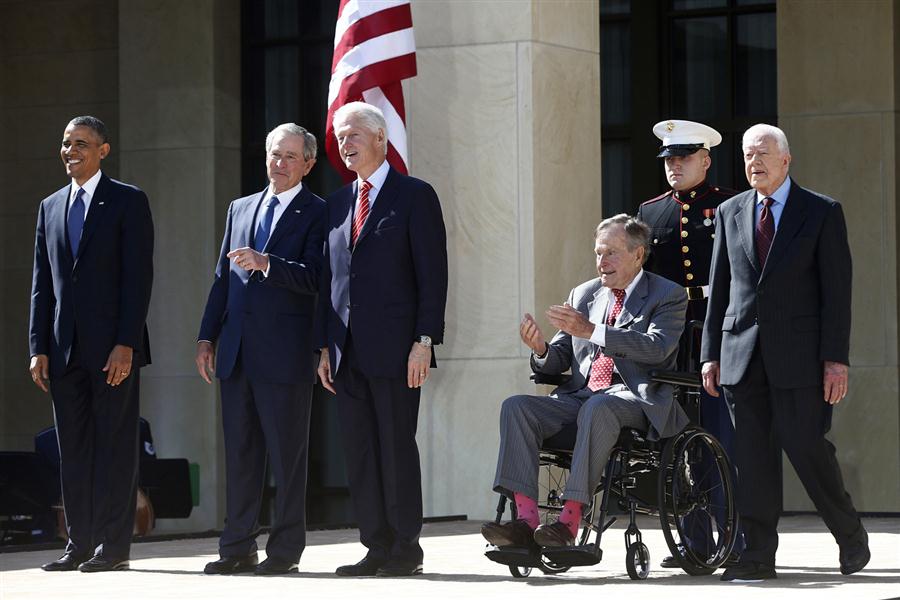
The former US President George W Bush was recently in the news. He alongside the current President Barack Obama and four former US Presidents converged on the Texas soil as they unveiled a Presidential library in honour of the 43rd US President.

This was the 13th library across the United States and officially came to life on 1st May 2013. Former Presidents Jimmy Carter, George Bush Snr, George Bush Jr and Bill Clinton joined President Obama during this occasion, a rare reunion as has been widely noted.

The fact that four former national leaders and a current one came together for a noble cause was a marvel from a Zambian perspective. Our country has witnessed acrimonious relations of current and former leaders.

However, the most intriguing aspect and reason for my article is the importance attached to history and the active intention to preserve it as witnessed by the library initiative pursued by the US.

A leaf to pick

This is an aspect that our nation must now pay attention to.
We must document our history and ensure it is shared transparently and
objectively so it does not perish with time.

The relevance and importance of this can be seen in how easily our history can currently be distorted with ease by anyone with ample energy and motivation to do so. This must not be allowed and we must never get to a stage where our roots or history are allowed to be relayed by those privileged to formulate an opinion and influence many others, possibly with bias.

Every nation, Zambia inclusive has a past and it is from that path that its life, its richness is captured. This also forms the basis for a nation’s heritage to be preserved and its tourism developed. Historians must be in the forefront of documenting this with no veiled interest or bias.

This guarantees that a nation’s history will be secured and shared with future generations that can
learn and connect with their heritage.

In South Africa, on the city bus tours, it is inspiring to hear the City’s history narrated, encapsulating the good, the bad and the ugly. Even the ills of apartheid are shared including a section of Cape Town that remains largely undeveloped to reflect the past.

This was a motivation on my part and it rode home the need for us to do the same for Zambia. This is also done in Livingstone on the African Queen boat cruise where the history of Livingstone is elaborately narrated.

This leaves me thinking and convinced about how much more we can do as a nation to tell the story of the Copperbelt, Eastern province, the Lozi, Lunda or Bemba Kingdoms and take it further to the nation’s
fight for independence both pre and post.

This would not only ensure this cardinal life of the nation is shared. But it too offers an opportunity for tourism as all visitors will be walked or talked through Zambia’s rich history city by city, town by town and moment by moment up until our present day.

Why should history matter?

A nation’s identity lies in how well it connects with its roots. Our children and their children must know what got us where we are. This is knowledge we can also only pass on if we ourselves appreciate our heritage.

If that be the case, then there must be deliberate investment of time and resources to track all our national moments and create that repository of information. This would be the official verified and authenticated reference for Zambia’s history. When this is not properly structured or highlighted, we expose ourselves to a distorted national memory. One where we all tell the nation’s story
as it has been handed to us or as we may have perceived it over the years.

In essence, even those with their own interests should not share a story that reflects their interests, biases or opinions. This must never be the case and all must refer to a shared history that is accepted as a truthful account of our
nation’s past and character.

For instance, Zambia today has a prominent story that is tagged to our leaders when they leave office. The next events in their post-leadership lives now seems to be appearances in court for corruption charges and other alleged misdeeds while
in office. This started when President Kaunda left office after serving for 27 years and has followed each President since except Levy Mwanawasa who died while in office.

There are two sides to this. One is the need for enhanced transparency and accountability for our leaders when in office so they serve as expected for the good of the nation. The other is the fact that these negative endings to their duration of service overshadow any milestones achieved during their term in office. As such, we have a skewed account of these episodes of their rule and the loudest account inevitably tends to be their bad. This also becomes the ammunition used by perceived enemies or parties with their own agenda to pursue. Thus the story always told becomes the story of failure and an unwanted checkered past.

However, history demands a totally different approach. It calls for everything to be accounted for as it happened.

Walking through Presidential libraries

Now back to the libraries. Institutional memory is cardinal for any nation. After all the players are off the national stage, their tale must be told with crisp clarity. The same principle that applies for cultural and even social national history is relevant for political and economic memory likewise. This is
what we see when we analyse the Presidential Libraries in the US.

Since its birth, the concept has led to 13 libraries. The system’s genesis is traced back to 1939 when President Franklin Delano Roosevelt donated his personal and Presidential papers to the Federal
government. With that and a partial pledge of his estate at Hyde Park to the United States, his friends formed a non-profit corporation to raise funds for the construction of the library and museum building.

Roosevelt’s motivation was his belief that Presidential documents formed part of the national heritage and
should be accessible to the public.

One may then ask that if such a library is put up, what documents should be there? This is especially so because we have been accustomed to associating the presidency with national secrets and security.

According to Wikipedia, the US libraries reportedly maintain 400
million pages of textual materials, nearly ten million photographs, over 15 million feet (5,000km) of motion picture film, nearly 100,000 hours of disc, audiotape and video recordings with approximately half a million museum objects. Interestingly even some of the gifts and awards the Presidents will have received from various local people, foreign dignitaries and institutions
while in office can be found.

When one recollects Zambia’s recent history, it leaves you with no doubt about the wealth of material that can be collected. The freedom struggle era, the early days of Dr Kaunda’s rule leading to his exit, his famous press conferences, the Liberation struggle, the dawn of mulitpartyism with Dr Chiluba at the helm through the transition to Levy Mwanawasa up until the Banda and Sata spells.

There have been papers created by these leaders, monumental speeches delivered, turning point decisions made, gifts received and even prominent visitors hosted. All this is sufficient material to retell in a structured way the past of a great nation such as Zambia.

A necessary project with untold benefits

There is a compelling need to engage our historians, people who will fish through all our documented, oral and even untold history. They will then collate what we have and will be discovered to form a pool of information on which the national memory and libraries will be anchored. We have history and research students, lecturers and respected authorities, even some surviving freedom fighters and
historical figures that can be of value in building this collection. From all these sources, Zambia is capable of putting together an enduring account of what makes it the nation she is today.

A project as important as this requires the best personnel to run with it so that it is effectively executed. Coupled with it, the administration thereof of the
libraries must be professional and top notch so that preservation of quality information and facility maintenance is guaranteed. Places of importance such as these must at no point be allowed to deteriorate to depressing conditions as we have become accustomed to.

It is a project that will form an accepted and respected reference point for all events the nation will have sailed through in the past. It can be of such value that even the children of today will have a place to go to understand their country.

School tours will even be more meaningful and so will it provide material to enrich our curriculum to incorporate relevant historical aspects that can further build collective national pride.

Sometimes, I worry and wonder how much we the young generation are able to pass onto our children. Are we able to confidently talk about Cha Cha Cha or the Choma declaration? Can we break down the story of the food riots and the 1991 revolution? The moment we are
disconnected from the past is when we begin to lose our identity. We do not need to have been there or gone through all these historical times but those that will have been bear the responsibility to share it with the future generations. It is for that reason that the present generation must endeavour to embark on this project lest we lose touch with our roots and consign our children to ignorance and a poor sense of identity.

Moreover, the benefits remain enormous. I recently listened to an official from the National Heritage Conservation Commission (NHCC) state that there had been an
increase in the number of visits to sites other than the major ones
such as the Victoria Falls. He went on to mention that more local people are visiting these sites including the Presidential Memorial Park.

With our libraries well established, we would further increase the number of sites that local and foreign tourists will yearn to see as a way of understanding who we are and where we have been. Each of our Presidents could have a Library set up perhaps in their home province or preferred area that best narrates the story of their life, contribution and milestones. That too would create opportunities for infrastructure development in such locations as a way of enhancing access and attracting tourists to the sites.

Zambia is a rich nation with an engaging history to share. Now is the time to take measures not to lose touch with this history but instead institutionalise the memory so that it can be known and celebrated many generations
from today.

 
Leave a comment

Posted by on May 19, 2013 in Community, Opinion


Of legacies, comedy and squabbles

The last couple of weeks have steered my mind toward the issue of legacy. This has been triggered by four unrelated stories that have been in the news internationally and in Zambia.

The hospitalisation of Madiba in South Africa is the first. The beloved statesman spent some days in hospital after the recurrence of a lung infection. The outpouring of emotion, goodwill and prayers during this spell was unbelievable.

Then came the demise of Margaret Thatcher, famously called the Iron Lady. The announcement of demise was met with expected divergence. While others mourned the passing of a political stalwart with an undisputed place in Britain’s history, another section of citizens celebrated this development like a long sought breakaway.

Back home in Zambia, we were greeted with the appointment of one veteran politician as Provincial Minister. Mr Daniel Munkombwe has served in almost if not all governments. His latest nomination inevitably culminated in varying views given his age and propensity to switch political parties and allegiance at will.


Finally, what presented hope for a turnaround in a national asset degenerated almost instantly into unbelievable squabbles. The future of Zambia Railways Limited (ZRL) exploded when the appointed board and CEO went on a tangent. The end result was the sacking of the Board and suspension of the CEO Professor Clive Chirwa.

A question of now and the future

In all these unrelated developments, one thing stands out. The people involved were tasked with a huge responsibility to serve and all have ended up with a strikingly clear end.

Some have attained iconic status on account of their decisions, performance and general discharge of their privileged responsibilities.

For others still, disgrace and a checkered track record are the reward for being accorded an honourable opportunity.

The fact that these end states tell varying tales should present a challenge to all of us in our stations in life. At social, community, corporate or political levels.

Each day, opportunity arises for us to make a choice. The right choice to serve and do so remarkably with excellence.

Each day, it must be a deliberate undertaking for us to lay a foundation and build on it for the future. That is what builds legacies. Utilising today’s window for good and a better tomorrow we can all stare through.

We will analyse each of these four summarily so as to challenge ourselves and draw the inherent lessons.

Madiba: an example of being the bigger person

Nelson Mandela’s story has been retold a countless number of times. His place in history is cemented and well documented. Therefore, I will not dwell on the detail of this history.

However, in the context of legacy, Madiba’s life is a rich case study. Here is a man that lost a significant part of his life incarcerated and locked away from his family.

Fast forward to his release and eventual ascent to the presidency. He was elected the first black President in post-apartheid South Africa in 1994. The man was the top citizen and held all the instruments of power.

From jail to the top, what did the world expect? Those that had subjected him to isolation and pain must be made to pay. That would be the natural human expectation.

Madiba opted for a different direction. Whether of his own volition or on the advice of those close to him matters less. What stands out is his heralded capability to do the rare and unexpected. The right thing.

This is especially so because Africa still struggles in the leadership sphere. Credibility and integrity seem to be elusive traits in past and current leaders.

The fact that Mandela set the nation, continent and world on this course puts him a head above most leaders globally. He is revered and will bask in this admiration and respect till he breathes his last.

Ill intention had been showered on him for over two decades. That already counted as a wrong. When he had it all within his stead to avenge his past horrors, he extended an olive branch.

Today, post-apartheid South Africa has largely been spared retribution and blood-letting as a result of his choice.

Madiba today symbolises unity and diversity. Even in his ailing state, the world speculates on what will become of the nation once he is gone. Simply because there is a held belief that he represents the entire essence of restraint.

An entire nation holds back and lives with its demons on account of a man who led the way down the path of reconciliation in the midst of hurt.

Thatcher: believing, choices and moving

Baroness Margaret Thatcher died on April 8th, 2013. She had largely been out of the public gaze since leaving office.

Her death brought to the fore sharp contrasting reactions. One section bade farewell to a resolute leader that had been the longest serving Prime Minister in the 20th century with an indeligible imprint on British history as the only female PM.

A counter section of society though, celebrated this death and deemed it as good riddance. A person that threw them into pain via a host of policy decisions was no more.

This too points us to the choices made when one serves. Lady Thatcher is renowned for her firm belief in her ideology and policies.

Her political impact locally and globally reflects her influence, whether negative or otherwise. At a time when her nation needed courageous decisions to be made, she led.

In the process, collateral damage was unavoidable and some people endured the brunt of these decisions.

However, the lesson remains her resolute belief and determination to serve decisively. As such, she appeared clear in her mind and approach with regard to what she stood for and was intent on achieving.

It is this direction taken that leaves her name inked in UK and global political history as an iconic leader. One whose brand was that of an uncompromising leadership style. Even in the face of celebratory protests following her demise.

Munkombwe: time and chance happens to all

We then come home to Zambia and review the life of a veteran politician, Mr Daniel Munkombwe.

He has literally served in each government or under every President the country has had.

Granted this entails vast experience and a deep knowledge of the country’s political landscape.

His recent appointment as Southern Province Minister raised some eyebrows though. Does he still represent value to the nation’s agenda? Is he a force that needs to be actively involved or must he be seen as a “go to” advisor based on his immense experience?

The fact that negative statements have been attributed to him make this argument even more cardinal. He is reportedly on record saying all people get into government to “eat”, that is, to enrich themselves. It is a game of provision and survival over service.

Based on this, he most likely represents the mindset of our current political leaders. The fact that he has learnt much over the years cannot be disputed. But then again, the question of relevance and generational progression arises. Is he in the game for survival or service?

Mr Munkombwe had or perhaps has the chance to be among the noble men of the land that have served with loyalty. What he opts to do with that privilege lies with him and the choices made today.

He can determine his legacy like all other leaders. Do they serve their hungry “self-bellies” or the collective interest of a nation that entrusts their future to them? That choice always remains with an individual.

ZRL: a clash of motives or self-serving personalities?

Finally,we have the depressing recent saga at Zambia Railways Limited. So much hope had been generated when President Sata appointed Professor Clive Chirwa as CEO of ZRL. Of course concerns around the unilateral appointment were raised from a corporate governance perspective.

But the selection of an internationally renowned technocrat was a dose of progress and generally welcomed positively by most.

Alas, a quarter or so of a year down the line we have a dissolved board of directors and a suspended CEO.

What in the world went wrong?

This scenario that unfolded raises the inevitable question of legacy and what it means to each individual.

ZRL offers a unique page in history to turn around a financially and operationally beleaguered national entity. A fresh start for a positive and timely story of progress..

Unfortunately, instead of a revamped rail-line, employment creation and infrastructure development, what has been delivered is a classic collection of stunning squabbles.

The board and CEO have publicly been at each other’s throats. Battling over sitting allowances, salaries and other financial perks. All the arguments thus far revolve around personal benefits that must accrue to these individuals.

Whether this exhibited passion also reflected in the formulation of a strategic plan remains unknown and obviously doubted.

Again the issue arising remains the same. Do we think about our ultimate and overall contribution to society and posterity? Are we clear on the part we must play in such public roles or should our individual benefits always take precedence?

Where does this all leave us?

The questions posed above are of critical relevance. We all serve in various roles and capacities whether at home, corporate, community or political level. There always is someone we are impacting or moulding with our actions and choices. What legacy are we creating?

I have always held the view that we cannot be far different tomorrow from the person we are today. Our current attitude towards work, money, responsibility and other people, remains a vivid indication of ourselves in future.

If we are poor leaders now, lacking in integrity and credibility, what will change to make us the opposite in future? We must today practice the very ideals we claim we stand for if these are to drive our leadership in the near future.

A call for credible leadership

I recently came across an online poll by an advocacy group called ONE (visit http://www.one.org).

The question posed was “what would make the biggest difference in your world -better roads, education, health, honest government or something else?”.

Amazingly, a lot of respondents mentioned a strong desire for honest government.

That cannot be far from the truth. Our world yearns for credible leaders, men and women of integrity. These are attainable demands and humanly possible if only we yielded to the selflessness that leadership calls for.

This has become even more urgent with the failures we have endured at political level. Unfortunately, these are shortcomings also noted in churches or in spiritual leadership roles where hope must lie.

The truth also remains that this leadership issue is not for the next person. It my issue. Your issue. We are the leaders that must deliver this quality in our respective roles, capacities and stations. If we cannot do so now, how can we be certain we will when we are “there”?

Therefore each day is an opportunity for us to get something right and improve on our weaknesses experienced yesterday.

In the end, it becomes abundantly explicit that we should only demand what we too can deliver. Otherwise it would be unreasonable and hypocritical of us to cane those that fail. Afterall, even in our tiny worlds, we would have been unable to offer or deliver what we ask for in others.

So what then is your legacy today? Are you delivering on comedy and squabbles or you represent the hope for a new brand of leadership that the world is crying for?

Be the judge.


Kenya elections: A message for Zambia and Africa

With bated excitement and screaming anxiety, Kenya awaited the Presidential election results. As a matter of fact, Africa and the world at large had their eyes fixated on the East African country.

This was an election that presented an opportunity for redemption, peace and hope. It was a time to instil confidence that indeed a nation could craft and chart its own course, dealing with its horrendous past.

As the Independent Electoral and Boundaries Commission (IEBC) chairperson Isaack Hassan stepped up to announce the final results, he carried the hopes of a nation and a resurgent continent.

What happened in Kenya provides insights and lessons that Zambia and the rest of Africa cannot afford to ignore. The message was resounding and the lessons rich.

Let us explore these.

1. Tribalism must be a non-issue

A nation is a composition of different people, tribes and colour. This should be a celebration of diversity and not a cause for division. Lives lost in 2007 stemmed from ethnic conflict and the world watched in shock as Kenyans hacked each other to death.

It may appear from this 2013 election, Kenyans have realised that they ought to stand together even in the face of divergent views and preferences. Yes the divisions still exist but the blood-letting has to a large extent been averted.

Unity and peace must prevail.

2. Leaders serve the people

Every leader must realise the people are the masters. The people’s voice must be heard and their choice respected.

Africa has been subjected to wanton manipulation especially at the hands of politicians. There is a criminal tendency to take citizens for granted. Once in power, the people are the least important item on the politicians’ agenda.

Leaders must be held accountable and discharge their responsibilities with the welfare of the citizenry in mind.

Anything below this is treacherous and a betrayal of the people.

3. Educate! Educate! Educate!

There was immense effort put into driving awareness among Kenyans. This was done in various forms to get them to vote and also uphold peace.

This proactive approach to elections must be continuous and a strategic objective of every Electoral body. This is especially more important for Africa where illiteracy and poverty levels are painfully high, fertile ground for voter manipulation and electoral fraud.

Though the number of spoilt ballots was high, it also served as a glimpse into the opportunity and need for enhanced voter education to attain high participation.

The Government, media and civil society combined efforts in exemplary fashion to achieve this and likewise preach peace. The end result was a jaw dropping and humbling 86% voter turnout, the highest in Kenya’s history.

4. The people rule

Post the 2007 violence, it became evident that the nation needed to heal. One of the key issues to be resolved was the Constitution.

The nation spoke and the people’s will was respected as Kenya adopted the new Constitution in 2010.

It was a constitution that was tested in the March 4 election and indeed it passed with President-elect Uhuru Kenyatta winning the race after garnering 50.07% of the vote, just enough to escape a re-run.

The 50+1 provision has not been the only victory for Kenyans. Through the new progressive Constitution, the people now boast a new decentralised government, effectively a means to redistribute power from the Presidency and Nairobi to the 47 counties to be led by a Governor and local assembly.

It also provides for 47 new seats for women in Parliament among other commendable provisions.

The people spoke and were given the Constitution they approved. This was an inevitable and cardinal step in scoring a successful election and striving for peace.

5. Peace is a choice

The delay in announcing results was a piercing concern. Even when the poll results were announced it was easier to anticipate that any aggrieved party would fuel a recurrence of the 2007 violence.

However, the restraint was impressive even in Raila Odinga’s strongholds. The people showed that they have learned from a bloody past.

Kenyans demonstrated strongly that the election was a victory for peace and a plea for unity.

The people want no more blood shed or lives lost. Politicians must listen to that cry of the people and always strive for and be catalysts of peace, not chaos.

6. No need to make mistakes to learn

Did Kenya need to lose lives to learn? Has Africa learnt anything from this so that loss of life is avoided before improvements are made? Was there need for so much blood to be spilled for a new constitution to be drafted?

Though it is said that mistakes offer rich lessons, it may not be necessary to wait for them to be made before learning. It so happens that the mistakes made elsewhere provide sufficient lessons for others.

Therefore what Kenya has been through between 2007 and 2013 should be all that Zambia and Africa need to learn. To fix all burning issues that can potentially set peace ablaze in flames. It is the responsibility of every individual, more so every leader.

We must now rise and put on a flattering show that will showcase our coming of age as a continent. This is in terms of leadership, democracy and development. This can only be achieved if we set our focus right and determine to deliberately achieve this progress.

7. Media integrity and institutional transparency

The media have been hailed as key stakeholders that helped drive the peace agenda in this year’s polls. Flaws will arise but the fact that there was a push for Kenya to uphold peace speaks volumes of media influence.

Elections must not be a time for partisan positions that stimulate animosity and division. Instead, it is an opportunity for divergence to be celebrated. This is a role effectively played by the media, political parties and civil society including the church.

With the new constitution, Kenya has inevitably invested in its governance institutions. This has presented a fresh start as the nation makes headway in restoring confidence in their institutions. A startling example of this is Raila Odinga’s electoral contest. He has challenged the poll result with assurance that he will respect the decision of the Supreme Court. Odinga’s Cord alliance claimed 11 constituency votes were missing translating into a shortfall of 250,000.

As this credibility is built and confidence restored in institutions such as the Electoral body, the Judicial arm, media and civil society, transparency will be an easy result. Then we can probably see a refreshing drop in disgruntled petitions of election results that seem to be the norm in Zambia and Africa generally.

8. The future is tech

In the 21st century and beyond, technology cannot be ignored. Kenya showed this with an investment in the electronic transmission of results.

All available means must be explored and utilised to enhance the way elections are conducted. This is both in terms of how the elections are managed overall, and also the transmission of results to make them swiftly available.

In this election, the plan was for the electronic transmission of results to the national tallying centre to be real time from all polling stations across the country.

Such initiatives and investments ought to be supported in totality as it has the potential to establish the much needed credibility of African elections.

9. Technology won’t always work

On the flip side though, the use of technology presented unfortunate challenges. It has been stated that a bug was identified which affected vote tallying. This culminated in the number of rejected ballots being multiplied by a factor of 8. The system failed at a critical time due to programming errors and in the end, manual intervention delivered.

As has been famously concluded, it was an election where paper trumped digital.

Following the failure of the Biometric voter identification kits and the crushing of the counting process, questions have been asked. Were the election officials competent enough to manage the system? Was it tested sufficiently before embarking on its full implementation, let alone its purchase?

The fact that it was also affected by the lack of power at some polling stations also speaks volumes about its reliability in the african context. Governments still have work to do to equitably deliver development across their countries. And the system also made it explicit that backup is a necessity in all such situations.

10. We don’t need the ICC

The role of the International Criminal Court (ICC) has been a topical matter in Africa. Several African leaders have appeared before it hence leading to an impression that it is predominantly designed to persecute African leaders. One persistent and speculative question has been why George W Bush or Tony Blair have never ben summoned for instance.

However, that is not the core of this article. What is at this stage of Africa’s development is the need for her to build capacity. Why do we not have such an instituition under the auspices of the African Union?

Uhuru Kenyatta has been appearing before the ICC on charges of crimes against humanity. This is in relation to the allegation that he played a part in the violence that resulted in the loss of 1,000 lives with 600,000 people displaced from their homes. He is due to appear in July this year. Whether he will appear now that he is a sitting president remains to be seen.

Africa must now govern herself. She must hold her leaders accountable without the influence or intervention of the outside world especially the west. Africa must be led by Africans, scrutinised by Africans and corrective or punitive action taken by Africans.

The AU must show it is capable of ensuring this in the near future otherwise the consensus will be that it is an impotent and irrelevant body that adds no value to the continent’s march towards progress.

The end game

Kenya has made commendable strides and this election has presented hope. It must be appreciated though that this is only the beginning for the country and the rest of Africa.

As we await the outcome of Raila Odinga’s petition, we must not lose sight of what remains to be done.

Our nations and our beloved continent remain hungry for progress, development and prosperity. This will remain a pipedream and elusive aspiration for as long we breed irresponsible leaders, swim in chronic poverty each day and allow our governance systems to collapse into a quiet demise.

Kenya has led the way up to this stage. We must all pick the mantle and take our countries forward.

Africa’s future depends on that and us.

 
Leave a comment

Posted by on March 13, 2013 in Opinion, Politics


US Presidential elections: 10 lessons for Zambia.

The USA goes to the polls

The year 2012 is getting to a climax ending. For the United States of America (USA), this also brings with it an intriguing election.

This is an election that not only interests the American world but the rest of the globe. Inevitably, what happens in USA affects more than America, extending to the rest of the world.

Like many, I have taken a keen interest in this election. There have been many before this but the last in 2008 and this year’s take on a different dimension of sorts. Not because I foresee any direct benefit as a Zambian rooted in the heart of Africa. I suppose it is mainly because of the way events in the US open my eyes and mind to what my beloved nation can learn.

Most times when we seek to contrast where we are with a reference point more advanced, we are tempted to conclude we are too far off to emulate. I am not one though to subscribe to that school of thought. Even the most advanced or sophisticated nations or people started off somewhere.

It is with that in mind and from that perspective that I list below some important insights Zambia can pick from the US elections as we strive to steer our nation on the path of progress.

1. Awareness of voters- It is evident that Americans take an active interest in what their leaders and government are doing. This is seen as campaigns have progressed and potential voters interviewed to assess the performance of Barack Obama or the presentations of his opponent Mitt Romney.

While it may be that some will vote on the basis of prejudice or deeply set preferences, it cannot be doubted too that a significant portion at least have an opinion on what they want, what has not worked and what matters based on logical rationale.

Way forward for Zambia: Literacy is a priority. The people must be aware and must be tutored enough to read, analyse and know what is happening in their environment.

As things stand, we have citizens swayed by the pangs of poverty accepting opaque beer, chitenges or a bag of mealie meal for their vote.

We see even some literate ones that do not read or independently analyse their environment. This has the potential of giving ground to editorial, political or speculative manipulation.

2. Information is power- To be where people know and dissect the calibre of their candidates or government, information must be readily available and accessible. Through various channels, civil society, think tanks and the media, this to a large extent has been achieved in the US.

Coupled with literacy, access to information becomes fundamental in having an enlightened citizenry that know what progress and development looks like.

Way forward for Zambia: As above, our country must ensure we are rich in history, information dissemination and independence in the expression of thought. Further to this, there must be support for institutions and bodies that can offer objective research, analysis and release of critical information that would aid in assessing governance, government performance and leadership accountability.

3.Policy and plan clarity- Both the Republican and Democratic sides have spent time and resources explaining their plans to the electorate. This has been the basis for convincing voters why they ought to be elected.

The bashing that has gone on between the candidates involves their respective positions on various issues ranging from foreign policy, gay rights, security to unemployment. This is done with clarity and even when they digress, somehow they are swung back to tackle their plans and intentions should they be swept into office.

Way forward for Zambia: Our leaders and political parties must mature into such a bracket. It is high time we started witnessing meaningful campaigns and progressive messages. In the 21st century, we must move away from name calling, wild allegations, petty arguments and hollow stage pronouncements. Instead we must be wooed by elaborate plans, proposed policies or evidence of achievement.

4. Professional and mature engagement- While differences may have appeared during the US campaigns, they have largely been based on principle, ideology and policy as articulated by both candidates.

The three Presidential debates are testimony of this. The presidential candidates and their running mates shared a platform to state their thoughts before in-house and TV audiences. The structured debates were themed around specific topics and the candidates exchanged their views passionately.

But what is noteworthy is seeing Obama and Romney appear at the traditional Al Smith fundraising dinner days later, in humorous mood with jokes characterising the evening. I was left yearning for a time we would see President Sata, Hakainde Hichilema and Nevers Mumba on the same stage, sharing their plans and thoughts.

Way forward for Zambia: We need to challenge ourselves to aspire for such a level of engagement. A time when our candidates can come together and maturely outline their plans as leaders, not dignified party cadres.

This is a challenge that falls squarely on the shoulders of civil society, the church, politicians and we the ordinary citizens to push for this maturity and organisation.

5. Elaborate planning and logistics- Everything to do with the US election is well laid out and known. The elections are comprehensively planned, dates known for each cycle, each of the states pursue their candidate selection process seamlessly etc.

This organisation goes down to the last letter and is testimony of the seriousness attached to the entire process end to end.

Way forward for Zambia: We must continue pushing to invest in our electoral process. This involves, among many other things, the election dates being constitutionally enshrined, the electoral body professionally run and empowered to manage transparent elections and the rules of the game fairly applied for all parties.

6. Let the Constitution reign- The US constitution spells out the date of such elections and which offices are due for a vote. There is no debate there, it is well known to all.

Similarly we observe this Constitutional clarity in spelling out that such an election will be held in four year cycles on the first Tuesday after the first Monday in November.

Additionally, it is explicit that even though election results are known within 48hrs, the inauguration is slated for January 20th the following year.

Way forward for Zambia: When it comes to important things such as the Constitution, our sights must be set on future generations. It is posterity we are called to serve and thus if we happen to land in such privileged roles, selfish interests must be subordinated at all costs.

Close to half a century after political independence, Zambia still discusses a people driven constitution. Leaders have taken office with a firm promise to deliver on this. Alas, we are still discussing it.

7. National pride and patriotism- There is an unmistakeable pride in the nation when we observe the Americans including their Presidential candidates. Perhaps it comes with having achieved something notable or being powerful. It could well be but is there a law that prohibits one to be proud of their roots, history and status? None at all.

It therefore remains for a nation to stand together and be identified with their heritage. That is a start for so many things a nation can aspire for and achieve.

It is inspiring to hear the candidates invoke God to bless America or how they are doing something for “this great nation”.

Way forward for Zambia: . There are times when a nation must stand tall together. Times when we can choose to cherish our unity, peace and diversity. Times when things like our Independence day must be a reminder of our proud history and sacrifice bringing together leaders and citizens across the political divide.

Unfortunately, we have continued with the thoughtless snubbing of Independence celebrations and the significant politicisation of such an event as ruling party cadres take centre stage. Successive opposition leaders including our incumbent Head of state, former presidents and partisan CSOs have all in the recent past shunned such national events.

8. Transparency- This year’s election has been confirmed to be the US’s most expensive in the nation’s history. A staggering $4.2bn has been raised by both parties as at 4th November.

The overriding lesson here is the transparency and accountability that has come with this amount of money. Each of the two camps have consistently declared the monies raised, an indication that even the source is comprehensively scrutinised.

This is a cardinal requirement to mitigate the risk of a nation being hijacked by players with ill intention and self serving ulterior motives.

Way forward for Zambia: The last elections in 2011 provide an insight into this gap in Zambia. There was controversy regarding the then ruling party’s exorbitant campaign while the then opposition also went on the campaign trail on a chartered chopper etc. What the nation was not privileged to know is who the financiers were or how much monies were raised to finance the respective campaigns.

Zambia and Africa in general seem largely exposed to questionable funding to usher political leaders into office. It therefore highlights the imperative urgency to put in place structures that stimulate high levels of accountability. This may seem far fetched now but we must get there.

9. It can get dirty, personal and also go wrong- Let us make no mistake, not all has been rosy. The fierce run up to the US election has brought to the fore some heated exchanges between the candidates.

Obama’s birth has been questioned while Romney it has been alleged was not paying taxes. CNN recently aired some catch phrases from the campaigns. Obama coined the term “Romnesia” referring to his opponent’s inability to recall anything negative attributed to him. Similarly, Romney mentioned how USA needed change beyond speeches, an apparent sarcastic reference to Obama’s eloquence.

On the actual election day, there were some reports of long queues and machines not working in some areas. Such logistical hiccups give a dose of reality where such enormous events have to be put together.

Way forward for Zambia: The fact that there has been name calling and some negative taunts during the US campaigns can offer dual insight.

Firstly, some of the things we experience in our national politics may just be normal. Secondly, there must be a limit to the negativity and an explicit focus on the bigger issues.

We have seen from the US campaigns that even with all the punches thrown at each other, the candidates were forced by the stage, audience and stakeholders to discuss critical issues in relation to their plans. They therefore did not have the luxury of character assassination or demeaning exchanges about individual looks.

That for Zambian politicians simply means it is time to grow up.

10. Do your job- The way Obama has been put on the spot over the last four years speaks volumes. His performance has been closely scrutinised from all angles whether prejudicial or objective, economic or political, domestic or foreign.

In response, what he has had to put on the table is evidence of achievement beyond political rhetoric.

This is an ever present challenge to leaders to focus on delivering and doing their job while in office. The only language that is likely to resonate well with the electorate will be pinned on performance and not promissory notes. A leader is held accountable and assessed through the lenses of delivery on pledges made.

Way forward for Zambia: We must move away from the use of development as a bait or reward for voting for particular candidates or political parties. Often we have heard leaders unashamedly tell voters that they will wallow in under development if they elected any candidate or party other than their own.

The lesson to pick from the USA is that the presidential candidates have at all times articulated plans for the American people, not Democrats or Republicans.

We must step away from deeply partisan agendas that ostracize innocent citizens on the basis of political affiliation or association.

The final analysis

Evidently, we are paces off the level seen in the US. This in no way suggests that progress is an impossible feat.

We must strive to improve where we lack, learn from those that have made strides and change or effectively eliminate what is not adding value.

As the US ushers in either the same President for another term or a new President, it should not end there for Zambia. There are lessons to be picked which will prove instrumental in our quest for progress.

Is it possible? Yes it is. It depends entirely on our collective societal and political will.

 
Leave a comment

Posted by on November 6, 2012 in Opinion, Politics


Cleaning up Africa’s leadership mess

A continent awakes

Africa has seen a strong transformation taking root. In the early 90’s, we saw the winds of change usher in democracy on the continent. Most recently, we have witnessed the Arab spring and all that has ensued since it broke in North Africa.

The uprisings have left an indeligible mark with a myriad of lessons for political leaders. The lessons actually offer rich insights for anyone tasked with the responsibility of guiding people.

The continent has seen the downfall of prominent long serving Arab leaders most notably the indefatigable Muammar Gaddhafi and Hosni Mubarak.

What started as simple youthful protests mobilised the masses that had contained their frustration and fatigue with authoritarian rule. The people spoke and chased once unchallenged leaders out of office.

Gaddhafi fought to the end, losing a protracted battle against his own people who boasted the backing of Western powers. He died defiant and in battle.

Mubarak wheeled into jail

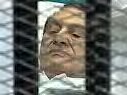
June 2012 however also took a remarkable twist as Egypt’s court handed down a jail sentence to Mubarak. A steel faced Mubarak was wheeled into court on a hospital bed to learn his fate. It was a life sentence and the nation exploded into street celebrations. The face of the long harsh and authoritarian rule was being punished finally.

There were whispers and eventually loud discontent however that some army personnel and Mubarak’s sons were acquitted. Perhaps a delicate balance the ruling army needed to manage their situation. Appearing to punish what the people had come to loath while sparing a few of their own. Allegiance to the old establishment perhaps.

Lessons for leaders

These recent developments are not to be read only as peculiar to North Africa. There is a lot to decipher for the good of governance and future leadership on the continent.

Let us look at some of these:

1. The people rule- leadership is about the people and service to them. This has been a fact but elusive aspect that has beleaguered us. Ideally, leaders must not lose sight of this reality in pursuit of their self enrichment, power and status. Once this truth is lost, one’s downfall is not far off. Even if it is decades later.

2. Strengthening governance structures- Africa needs to sort out her governance structures. We do not need the ICC to pursue African leaders that have committed crimes. Africa needs institutions such as the AU to step up and deal with leaders that lapse to the detriment of their own people. If this is not dealt with, we will continue having cases like Charles Taylor being sentenced in a European court or other leaders being pursued by bodies other than the AU.

The challenge is for Africans to govern themselves, highlight wrongs and strive to improve the quality of continental leadership. When this dynamic is set right, we will not associate African leadership with mediocrity, corruption, abuse of power and related ills.

3. Africa must unite- In every sense of the phrase, Africa must unite. As cited above, Africa must get to a position of collectively equipping itself in terms of capacity, calibre and capability. We must not have to depend on other powers or continental bodies to resolve our issues. A case in point is the US/NATO intervention in Libya. This is Africa and we must take the lead in our own matters.

This then calls for unity beyond political utterances at continental summits. It means Africa must move quickly on economic integration and stimulate intra-continental trade.

Africa needs to pursue an active agenda to produce and supply within the continent. She needs to foster the pursuit of infrastructure development to support this trade. She must educate her population and enhance her inhabitants’ skills.

This must be a collective agenda and it may seem a pipedream today but steps to make it a reality must be taken quick and now. This is the challenge that needs to be mounted against poverty, under-development and leadership failures that today and tomorrow’s leaders must have foremost on their minds.

4. You can fool some people sometimes- But you can’t fool all the people all the time. African leaders must learn this urgent and timeless principle.

Most of our leaders have succumbed to the temptation and trappings of power. In the end, they lose their humility, focus and reason. Even worse, they find themselves surrounded by people that tell them what pleases their ears. It has become apparent that they pay attention only to what ultimately destroys them and sobriety only returns with a smack of reality in their disgraced faces.

It must never be so. A true leader must never take for granted the very people that made him one. This is pertinent truth that everyone close to any leader must remind them of.

5. A vigilant people- In the past, all sorts of failures and excesses have been allowed somewhat. The hapless citizenry has absorbed all the unfortunate unfolding weaknesses of leadership. As a result, even the leaders responsible for these failures have survived without reprimand.

What the continent has seen in North Africa and earlier in the 90s has exposed the inherent power that lies with the people. When the people take an active interest in governance, it becomes easier to drive accountability and transparency at all levels. This ensures that leaders do not drive a selfish agenda but inevitably pursue service to the people as their core motivation.

It cannot be disputed therefore the power that people yield. This is what must be realised by each and every citizen. Leaders are in those important offices to serve and what they do in service must show or else they have failed.

That in itself demands vigilance, an alert people that take an interest in what is happening around them.

North Africa has shown how powerful a force this can be. The key is for active engagement between the people and their leaders. A healthy interface may then serve as a deterrent that averts the chaos, blood and destruction seen up north.

6. A cry for ethical leadership- The theme remains the same. Leaders must have a semblance of principles and ethics. They must stand for something that matters more than money, power or pride.

This has been the most notable missing link over the decades with our African leaders. The ethics take a back seat when it matters most and the consequences have been as crystal clear as an LED screen.

This crippling phenomenon characterises our leadership and we must all watch how we manage the responsibility on our shoulders to assess how we serve or can serve. What we do with less responsibility is usually a sure indication of what to expect when we have more.

7. Beyond statistics- Leadership is beyond economic statistics. Poverty remains the biggest foe Africa must fight. The continent has posted unprecedented growth over the last few years. The raging debate though has been whether the rate of growth can halt and reverse the poverty levels. Is this pace sufficient to turn the continent on its head, create employment for the largely youthful population?

The people express their frustration when access to basic services remains elusive. When malnutrition ravages the children, illiteracy haunts us as more people fail to get into school and households are led by the young ushered into the driving seat by suffocating diseases like AIDS.

Leaders must know and realise that with each passing day these are the only issues that matter. There is no patience or time for rhetoric anymore.

The writing on the wall

The Arab Spring, arrest of Charles Taylor and Hosni Mubarak all point to the need for a fresh start in Africa.

The continent is ripe for progress, for a departure from a pattern of governance that has left us stuck in perpetual misery and perceived failure.

However, we are not failures as a people and must therefore not accept any hint of it.

What these developments must convey is the need for leaders to take their roles much more seriously. And the led, we the people, must pay attention to what they do and demand more.

In the absence of this twin interplay, we will wallow in the mess Africa has become painfully accustomed to.

 
Leave a comment

Posted by on June 3, 2012 in Politics


Of corrupt judges, noise and the bigger picture

Judges suspended, debate spreads

There has been an active debate around the recent suspension of a Supreme Court judge and two High Court judges. The trio, Judge Musonda, Mutuna and Kajimanga, all face a probe into their professional conduct after the Republican President appointed a Tribunal.

Controversy seems to have clouded this action and ensuing arguments mainly on account of the President arriving at that very decision and further the appointment of a High Court judge from Malawi to lead the Tribunal. There have been two schools of thought on the Presidential power exercised in the drama. One side argues the Constitution enpowers him to do so under Article 98 while the counterside argues the matter should have been initiated through the Judicial Complaints Authority.

We as lay-people in this matter await guidance from the legal brains in the country on what the correct position is. I sometimes wonder whether the Zambian law is so complicated that we get varying interpretations from people of the same profession.

Reading between the lines

Further, whether the President exercised powers to the dissatisfaction of others, I believe the problem here is bigger than what the country is currently debating.

The Constitution under Article 98, it seems from my naïve interpretation, does assign powers to the President to appoint a Tribunal if there is suspicion of misbehaviour on the part of the judges. He further can suspend them pending the findings. If this is the case, then the President did what the law of the land allows him to do.

Therein lies my biggest challenge with us as a people. We latch onto a topical issue and pound it based on the popular thought process that has been dangled before us. However, in most cases we come to realise that we expend energies on the symptom and not the ailment.

In this case, my thoughts are similar to the ones shared in my earlier blog “True leaders: A dying or dead breed in Zambia”(http://t.co/xtWpzGQv). We have a systemic challenge first and foremost.

The President acted within his powers or so it appears. These powers are granted and protected by the Constitution. If they are inappropriate, this is because they arise from a defective authority. This deficiency in the separation of powers has exposed the potential conflict that can arise when excessive power is reposed in an office. The Executive and Judiciary are at loggerheads.

Absentee experts

The other notable concern is the position taken (or not taken) by both the Chief Justice and the Law Association of Zambia collectively and their members individually. If there is something that is wrong in the interpretation or application of the law, we draw comfort that these learned experts will provide leadership. This does not seem to be the case as they either are cowed into silence, compromised into agreeing with a position that serves their interests or simply not courageous enough to state things as they ought to be, regardless of popularity.

There is a silent belief that there is more to this issue than is being let on. This too is evident when one notes the clear split in opinion in the legal fraternity. LAZ to me has been a let down on several occasions when they are silent and perhaps comment much later when their view cannot be considered expert opinion. They always come to the party rather late. For instance, I’d be happy to know whether the appointment of a Malawian judge is appropriate (even if it is allowed) and whether it is an expression of a lack of confidence in our own?

An ethically challenged bunch?

Additionally, I sense an ethical dilemma. There are lawyers that have questioned the Presidential actions and application of his Constitutional powers. Yet there also are those that deem everything to be in order. I appreciate that to have a legal case, there must be two parties on either side. However, where truth is involved, ethics must prevail and a position must not be taken simply because one is needed on the other side of the argument. Either the Presidential action was inappropriate or it was not.

But what we have seen is a conflict and poor reflection of our legal colleagues. It may appear, this is more of a power play and egos at the expense of professionalism and ethical judgement. In the end, even we the bystanders remain potently confused as to what is the correct status of things publicly presented.

Judicial corruption and reforms

Away from the argument of constitutional lapses, separation of powers and lame legal experts, we also have the issue of corruption.

It has been said that the suspension of the three (3) judges has been motivated by rampant corruption and misconduct in the Judiciary. One of the issues has been in relation to the case in which one legal team walked out of a court session as an expression of displeasure at a decision arrived at by the sitting judge. Whether walking out of a courtroom is in itself correct, I am not expertly placed to deduce.

My position though here is that corruption where it exists must be fought from the root up. The energy, zeal and determination exhibited in pursuing the three judges is commendable. However, if there is corruption as it is presented, this should not start at the three suspended judges. Let this be a comprehensively planned assault on an ill that has crippled our society at all levels.

If the corruption is as it has been depicted, then it must have permeated to the marrow of the Judicial bone system. As such, all areas need to be covered and a reform plan set in motion. As it is, it becomes easy to pursue a handful of individuals who may appear to be targets of political victimisation and persecution at the hands of visible and invisible foes. Some lawyers, Judicial employees, judges and their partners ought to be checked for a holistic overhaul of the system.

Therefore, there is need for an independent Tribunal with a wider scope and even qualified auditors to determine the scale and impact of this widely publicised corruption. It should not start with three individuals. There have been public pronouncements that this is the beginning of reform in the Judiciary. I hold, in my simple capacity as a Zambian youth, that the reforms have started in the wrong place all together. Hence the conclusion by some sections that this is targeted at specific individuals.

Seeing corruption for what it is

We know the corruption is deeper than three judges. What can one say about the swift decisions, comments and demands made with regard to this suspension case? Is the lightening pace at which things are moving not a wonder?

Yet we have people in Mukobeko, Kamfinsa and all the prisons dotted around the country that have not seen the inside of a courtroom for a decade or longer.

Yet we have children born in prisons and that is the only world they have come to know. Yet we have people that are poor and cannot afford legal representation but are not provided basic legal assistance to determine their cases.

Yet we have multiple adjournments of cases that can be closed quicker, subjecting people to the agony of anxiety and legals costs as they await the next given date. How many times do we read about unnecessary and unjustified adjournment of cases? What about cases of missing case files yet someone still remains to endure the punishment of prison when their case cannot be heard because a file is lost?

What about the filth, diseases and unhealthy sexual practices we are informed about in prisons? Yet no deliberate action is taken to deal with this and the situation is consistently aggravated.

The few cases cited above expose the corruption we ought to be fighting. All this mess and breakdown occurs while our colleagues opt to amass the wealth that comes with their privileged status but there is no corresponding investment in rectifying the breakdown in the country’s justice system. We the ordinary folk do not see the political will or commitment to address this corruption.

When the systems, legal players and institutions are cleaned up, we will be on the path to Judicial reform. This is because the breakdown now goes beyond the three suspended judges and is deep rooted in the courts, administration, among individuals and perhaps in the LAZ as well.

Reforms must be holistic and the Tribunal given refined terms of reference with a wider task than dealing with a drop in the ocean in the pursuit of three individuals.

More action, less talk

The challenge is bigger than it seems in my view. It is for this reason that I become very frustrated and concerned when we go on as a nation debating and dwelling on an issue in a lopsided or partisan way. We do not take time to digest an issue beyond what is presented in the print media or whatever form the news comes in.

In the absence of a holistic approach, we will all just remain gongs that perpetuate societal noise with no improvement or solutions that posterity can benefit from.

Simply because we opt for patronage, wealth and status at the expense of ethics and the decision to do the right thing when called upon.


You are poor…..so shut up!

It was hard to believe the young lady was beaming and her face betrayed a genuine smile. A quick scan around the room revealed how miserable her immediate environment was.

She had been glued to the bed for close to two months now. The University Teaching Hospital (UTH), Zambia’s largest referral hospital, had become home. Not the best of places and one had to admire Mwila as she radiated her natural warmth.

Mabvuto was an energetic toddler, enjoying the innocence of childhood. He sprang out of the sack covered pit latrine, rushing to rejoin his friends as they splashed the muddy water after some torrential rains.

The excitement was as bright as an October sunrise. There was no evident thought of concerns that the water could be a medium for disease. This is what they knew and had lived with for as long as they had walked.

Moreover, his mother and a host of other women were a stone throw away and had not raised any objection. Fathers were nowhere in sight this time of day!

As Mabvuto’s mother sauntered to the house with a tray of pounded groundnuts, she stared in the boys’ direction. Her little boy, her sixth at 28 years, was a part of the group in the pool of water. No worries. It was a safe game.

A hostile reality

The picture portrayed in both cases is but a simple reflection of what is out there. The fate of the common man is dire.

I watched with suffocating sadness as the Vice President Dr. Guy Scott visited the Mukobeko Maximum prison recently. His face told the whole story. Those walls hid the gloom, filth and inhuman face of a system that cares less about others.

Yes it is a maximum prison and a place for the condemned. But do they lose their dignity as human beings? Do they cease being human?

Let us step away from the prison. What about the hospitals? The courts of law? The densely populated townships littered with chaos, disease and debilitating poverty. Have all these people ceased being human and deserve less dignity than others?

What has gone wrong?

There clearly is something, fundamentally, that is not as it should.

We see it in overcrowded wards, filthy prisons, delayed court cases and in the compounds. A visit to our villages paints an even bleaker picture after all the further away from civilisation you are, the more irrelevant and less of a factor you are.

My mind battles with whether this is a result of failed planning and execution. Or is it perhaps leadership that neglects the needy? Or is it us a people that laze through our lives expecting all good things such as health, education, infrastructure etc to pop into our world?

It seems to be a mix of all these factors. Hence my challenge is not only with the authorities that aid this deterioration. It also lies squarely on the shoulders of the “common man” that plays a part in not holding leadership accountable and also a chronic failure to properly manage what is built.

How many times do we hear of vandalism of critical installations? How many empty packs of opaque beer do we find in ditches leading to blocked drainages where these exist?

These are but a few examples of a society so desperate for mindset and attitude change. Both for those that lead and the led.

The insignificant commoners

The common man only seems to matter when elections are near. That is the only time all top politicians visit the compounds, the crowded hospital wards and villages with promises to turn things around. Turn them around only if they could be given that vote.

As gullible as poverty and desperation makes one, the common man falls into this promise trap in exchange for opaque beer, pieces of cloth, mealie meal and some kwacha notes which also go into alcohol consumption at most.

Fast forward to elections and the commoner is back in the world of poverty. The 4×4 luxury pick-ups that were a usual sight during campaigns have disappeared. The promising politicians and leaders are a distant feature only seen on television screens or heard on radio.

What is there left to do for the commoner? One after the other, they fall into the routine of apathy, alcohol abuse, thuggery, illiteracy, disease and poverty. If they make it alive to the next campaign, maybe once again they will be the centre of the world, important people.

Is there any hope?

Absolutely. It will be a long journey but who says long means impossible? The cliche is that a thousand miles begins with a step.

Where then can this change start from?

Accountability- Leaders are responsible for everyone. This is a role that bestows privilege and must sober anyone up especially in Africa. They are millions that look to their leaders for a way out of their squalor.

This is one aspect of service that is neglected. Whether it is deliberate or not is speculation. The people that mattered when votes were needed matter less post-elections.

There is need for leadership accountability. The vote is the performance contract between the people and government. This entails that the primary focus for any leader is to remember the poverty, misery, disease and lack they have witnessed on the campaign trail. This must spur them into pursuing what will make a difference in the lives of the masses.

Reviewing service delivery- What governance structures are in place to support deliberate interventions? We must assess current local and central government structures and the checks in place to device user friendly structures that ensure delivery. Further, it is imperative to explore more efficient ways of governance to guarantee timely service delivery.

How do we ever get to the pathetic hygiene levels we see around? Litter everywhere, poor sanitary conditions for a huge population in compounds and an army of uneducated people.

We must get to a level where water borne diseases are not an annual event. We must start dealing with the seemingly small things that characterise our present conditions. Unkempt surroundings, street lights with no lighting, uncollected garbage, the list is endless.

If in these small things we do not strive to do the right thing, can we even begin to think of medicines in hospitals? Children in schools with the right materials and teachers?

To set this in motion, the planning and resourcing perspective needs to be right. This will stimulate the focus required to start driving the change we need to see.

An empowered people- The commoners and downtrodden that wallow in poverty must be an active part. They must realise that their importance is not just a pre-election ingredient. There is need for an urgent wake-up call, a call that will make them believe that they are stakeholders and have a right to demand development.

For as long as this aspect remains an unknown authority, there will be no meaningful change. This is simply because the people that must demand and also drive the change are unaware of what authority they yield.

This is the power to influence change that must be exercised so everyone in leadership remains aware of their role to serve at all times in whatever capacity. Then no leader will be selfish in this noble undertaking, opting instead to serve the best interests of the common man.

Same bed of thorns for all- Why does a man peddling a finger of drugs rot in jail while the owner roams the streets freely? Why do the known and connected citizens spend only an evening in a jail cell at most while you have individuals in Mukubeko that have gone for a decade without their appeal heard in court as Dr. Scott came to learn in Kabwe?

Why do we have patients dumped in UTH with no access to prompt attention yet the prominent get the best attention in record time, even from the farthest land on earth?

There is a place for the rich and powerful at the high table. The poor remain insignificant and even the loudest of voices can not be heard by the privileged. It is true it seems that on Animal farm, there are animals more equal than others. It is there for all to see.

This is the way it is but this is not the way it ought to be. The privileged must be troubled by the poverty, disease and filth the commoners endure. Yes they have worked for their privilege(for some) and must enjoy it. However, should those that have more not also have some to share with the less fortunate?

Even if the lucky and “haves” do not, this is mandatory for any leader. A leader cannot choose whom he serves, works or assists. They are in those roles to reduce this misery and deliver progress to the masses.

Justice not for the lazy- I speak in this way not in support of laziness. Those ready to change their lives and how they think should be the priority, the focus of development.

There are those we see around whose defeatist mindset makes them wallow in self-pity, drowning in daily drunkenness, resorting to thuggery and recklessness. There are some among us unfortunately that just want to sit back and await development. These I do not condone. When opportunity is granted for an education, work or skills training, it is met with complaints or shoddy performance.

Effort should apply to and for those willing to make a difference. The employees in hospitals, public service etc that demand higher and decent pay must be those that exhibit quality in applying themselves. Not the lot that will spend an entire day under a tree but demand higher pay.

This does not in any way mean the lot in Mukobeko for instance must be let loose. They too must pay the dues for the wrong choices made. However, it does mean that those that have appeals to be heard must rightly have them heard. Those that have been incarcerated erroneously must be released from an unfair system that has caged them.

This also means the leaders must access the same medical facilities that we all do. Only then can they be desperate to make a difference rather than end up in a 5-star facility in a foreign land.

It follows then that all have a part to play to bring development to life. The commoners and privileged. The illiterate and educated. The employed and the unemployed.

Only when this collective resolve takes root will we realise our elusive aspiration.

Institutionalised development- To deliver this development, someone must be responsible, it must be tracked and therefore a comprehensive framework must be in place to support this quest.

Development and related initiatives must never be the preserve of the elected elite or a privileged few individuals. There must be institutions with longevity that will remain in place even when individuals change. Only when this is the case will we guarantee a structured approach to development.
This is more sustainable without being underpinned on what the politicians want to pursue. That way too we curb the trend of every successive administration running the risk of throwing everything out on account of it having been driven by their predecessors. A trend that has seen us move backwards or stagnate with every change that befalls us.

Pain of the status quo

Mwila has been on that UTH bed for two months now, having survived an accident. An excited public bus driver had rammed into them after watching the Chipolopolo national team win a game at the Afcon 2012 tournament. She awaits a theatre appointment that on three occasions has been deferred for various reasons.

No electricity at the theatre. A delay in taking blood to the theatre. A much publicised operation on another poor young man that had been allowed privileged access to medical facilities via presidential intervention. Those have been the reasons Mwila has not been operated on.

Mabvuto kicked his ball through the contaminated water, bursting with childhood energy in a game of soccer.

This was the life he was born in and knew. A life of uncollected garbage, ponds of rain water, deadly sanitary conditions, the hopelessness of an absent father swimming in daily drunken stupors or seasonal jobs in the plush residential areas. A hard working mother that made sure they had a meal each day, even if it mostly meant some greens from their backyard garden. At least today, there were some pounded groundnuts to go with it.

Mukobeko and the many other prisons across the country remain overcrowded. Filled with those that have not seen the inside of a courtroom for a decade. Behind bars for being conduits of crime perpetrated by the powerful and well connected perhaps that remain free.

All these realities present evidence of a rotten society, driven by the selfishness and neglect of those blessed and empowered to make a difference. Aided also by the inevitable and unfortunate resignation of the commoners, the less privileged.

Yet it is these downtrodden and commoners that have the power and authority to make a difference. To demand change and development. To hold themselves and their leaders accountable for what we all want to see in our world.

But as long as this remains an unknown force that the commoners do not believe in, the present truth will firm its hold. The harsh truth that the poor must shut up. They have no voice, no place at the high table or clout to influence any meaningful change.

It seems when you do not have the voice, clout or privilege, you deserve what you get and remain mute.

The pain of being a commoner. The agony of being poor with the world expecting you to just shut up and take it.

 
Leave a comment

Posted by on April 24, 2012 in Community


Of tribalism and narrow minds

A united nation tested

The last few weeks have been a jaw dropping and sobering episode for Zambia. The unity we have known and cherished, espoused under “One Zambia, One nation” stands threatened.

The volcano is no longer simmering. It seems it finally is coming to its forceful life. The hidden discontent and wrath shows its face. A nation must respond.

Some sections of Western province have voiced their intention to secede on the strength of the 1964 Barotse Agreement. This is after the recent national council held in Mongu and resolutions that followed.

There are only but two truths for me here. The first is that it presents an opportunity for Zambia to face its demons and exorcise them. All 70+ tribes have been united since Independence but clearly some have suppressed their discontent, their true feelings. It is time to deal with this conclusively and lay it to rest.

On the other hand, it presents a very delicate matter that must not be underrated or disgruntled tactless elements allowed to have a field day. History and our african neighbours provide a wealth of lessons that have destroyed lives and nations.

From innocent childhood to prejudice

Each time I have to pick my 6 and 4 year old daughters from school, I observe something. They mingle innocently with all their school mates as they also do when attending birthday parties when invited. There is no Lozi, Bemba, Tonga, black or white. It is a case of innocent Zambian children playing with their friends.

Why then do we see a different mind and attitude among the older folk? They have been corrupted along the way. They have picked the filthy outlook and hearts that have exposed the world to apartheid, tribalism, nepotism, holocaust and all manner of isolation or superiority claims. The spirit of selfishness, self-importance and evil.

I have numerous friends that are not of my tribe and I see no need to associate based on what language they speak or the part of the country they are from.

I have noted before tribe becoming an issue when two children meet and announce intentions to marry. A lozi beauty or tonga lovebird and bemba heartthrob. The undertone of mismatch, suitability or resentment are saddening. Even love matters less when these biases or prejudiced perspectives take root.

It is this ugly face that we are seeing in Western province. It is the headache that says something in the whole body is wrong. The bulge that turns into a cyst with pus. It all points to a fundamental problem beyond what we see.

A misplaced cry?

Granted there is a problem and it needs to be dealt with cautiously. The people of Western province like all other parts of Zambia need to be heard. It is a cry for development, for resources to turn their lives around and for meaningful progress to be realised. That voice must be heard.

I have been to Mongu, the provincial capital of Western province. There is not much to write home about 48 years after Independence. Then again it is not the only area like that in Zambia. Of course, it is pronounced and to a large extent there has not been much done in terms of potential investments in the area. That perhaps is the reason for concern if such an area is assessed side by side with North Western for instance.

How did we get here?

Firstly, there has been no deliberate overall planning from a leadership and political front to set a development agenda in motion. This we see in Barotseland and countrywide. Looking back over the decades, there was a time each province had some economic mainstay to drive activity. Post-privatisation, this changed and economic activity took a nose dive in all provinces.

The investment that has since come up also revolves around the mining industry. Whether or not the investment has been impactful for the locals is another discussion. As such, non-mining areas have received little or no attention.

Additionally, there is the speculative issue of the attitude attributed to the locals themselves. They do not welcome any progress or activity that is not driven by them. This can be good when structured and meant to empower the locals. But it can also be detrimental if the extreme path is taken and any outside participation is resisted furiously.

I have never confirmed but have heard on several occasions the sad reason behind Shoprite being situated where it is in Mongu. Some years back in the early 2000s, a workmate at a multinational FMCG company had the branding on his vehicle scratched with an “X”. The reason? He was bemba.

The questions posed therefore must go beyond government’s role in this mess. It must also put on the spot the local leadership, starting from the Litunga.

With the prominence arising from the Kuomboka and the respect accorded to the establishment, has it been a challenge to seek an audience with the powers that be? Has the establishment failed to exert the influence of other traditional leaders with all the presidents Zambia has had? What has been the overall plan to derive gains from tourist popular and crowd drawing events like the Kuomboka? How much is realised each year in the Mongu economy and how much is channelled toward improvement or development plans at whatever level?

Accountability starts and ends somewhere. Where?

There is urgent need for harsh but honest introspection to resolve some of the immediate issues in Barotseland. Who the cap fits must wear it. The answers must point to the occupants of the land with their leaders to explain why they are where they are.

Similarly, government must acknowledge its part in the matter. We have had four presidents and are now in the fifth presidency. All have been very much aware of this thorny issue. For reasons best known to each, it seems they hoped when swept under the carpet, it would die.

It has not and stares us in the face, difficult to ignore and yet again sweep under the carpet.

It is from this point on that we must as a nation chart a way forward. This is beyond our biases, adopted beliefs or pride. It is a national call to do the right thing.

Under the RB administration, there were events that boiled over and led to the riots we witnessed in Mongu. There was blood shed, arrests made and the carpet was lifted to expose dirt that had not disappeared.

Prior to the September 2011 elections, the incumbent president is reported to have fuelled the fire. This, it is believed, he did by stating that he would restore the agreement within 90 days once in power.

Power came. So did a Commission of Enquiry which indicated that the people during submissions vehemently submitted they wanted to secede. His Excellency, without mincing his words, tore the head of the Commission Dr.Chongwe to shreds expressing his reluctance to adopt such a recommendation.

All else since then is on record culminating in the council and resolution to secede.

Is secession the best?

I am one of those that think not. We are one nation, one country and one people. We have differences and these we must confront and resolve with the sole intention of remaining united.

What the Barotse Agreement issue has exposed is the need for a comprehensive approach to national economic development. This of course is a view held with a firm belief that the spirit of the Agreement was empowerment and development, not secession.

If not secession, then what?

The cardinal issue then must be how government can foster this development and include it on the agenda. How can Western province be developed? How can the undeveloped and underdeveloped parts of Zambia be developed?

Each part of this our country must be developed by the resources found and harnessed in the specific area. For areas with less resources, the treasury and central coffers must likewise cater for development so no area lags. As an example, if just a fraction of 10% or even less of the profits announced by the mines were retained for and in North Western province, would it be as it is today?

We must then in a structured manner establish what resources or potential Western province has. Then it remains for the leadership to attract the necessary investment required to deliver development and empower the people.

I have always wondered how Angola, Democratic Republic of Congo, Botswana or Namibia have diamonds, gold, oil and other natural resources. But can it be that all these countries around us can have all this but not Zambia? This we must establish as part of plans to deliver development that has eluded us all these decades.

The above must also be done in a consultative manner with explicit timelines. All stakeholders must be engaged, actions, accountabilities and timelines agreed. Then a reversal of the status quo can be set in motion with everyone clear on the direction. This is the spirit in which any dialogue must be held. Even the government’s planning as mentioned in pronouncements on decentralisation/devolution must have such steps at the core.

With regard to the Agreement itself, the silence of the Law Association of Zambia (LAZ) is so loud. What are the implications of the agreement? What happened in 1969 as referred to by secession proponents that led to a breach? Expert interpretation of this document is critical at this stage so we all are aware of its status. It also is a means to curb ignorant debates and afford an opportunity for extremists to mislead many. Chaos thrives where a population is easily swayed by a minority with ulterior motives.

The fact that this matter is not light or insignificant can not disputed. It is for this reason I was glad upon arrival from India, the President opted not to make any statement on the matter. Hopefully, that was a sign there is more behind the scenes dialogue happening aimed at resolving a potential crisis.

What follows remains speculation at this stage. It is hoped though that objectivity, maturity and leadership will be the guide. Only in the spirit of unity, progress, selflessness, peace and objectivity can a challenge this sensitive be managed. Whichever way we look at it, the diversity we see and have in our nation and the world at large, is all part of God’s creation. It therefore is extremely sad when man feels or believes he is any wiser and must separate. We all need each other, are one and must lobby together for what we lack.

It is our role as citizens to demand development from our leaders and likewise to pray for them to lead with wisdom. Likewise, it the responsibility of the government to prioritise the welfare of its people. Therefore all cries for progress must be accorded utmost attention urgently.

In the absence of such an approach, we will have the myopic sections leading such misguided causes. And this poses a risk of plunging a nation into avoidable chaos.

For we know that myopic minds that promote such ills as tribalism thrive on such situations.

Zambia can not afford to be divided by people that easily disregard unity, love and peace cultivated over almost half a century.

 
Leave a comment

Posted by on April 7, 2012 in Politics


Service Manix

Mad about everything service!

Zambian Economist

Free Thinking | Progress | Change

Managing Today

Insights| Change| People| Productivity

The Daily Post

The Art and Craft of Blogging

The Obama Diary

President Barack Obama ... photos, videos & a word or two