RSS

Category Archives: Opinion

The kind of God we want

Retracing our roots

We have all grown up with some impression about a higher being, commonly called God. To some, He has been a disciplinarian with thunder for a voice. To others, He has been one that dishes out fury and punishment to the rebellious. He is the all seeing, all knowing and Big Brother supervisor.

Over the years as we grow, this perception of God may be altered as one discovers more about Him. While still others may completely steer away from Him opting for atheism or whatever variation they find comfortable and acceptable.

The choice will always be personal and unique to an individual. What is explicit though is that one way or another, every individual yearns for or pursues something bigger and deeper than themselves.

Looking around in our lives and environment, it becomes an intriguing undertaking to ascertain people’s perception of God. We all harbour expectations while at the same time may not have outgrown the God planted in our young naïve minds as we grew up.

Is He what we want Him to be?

So then what kind of God do we see and desire in our lives?

I for one don’t want the dictator we have been told about. The one who insists on His way or the highway. The bully that threatens you with eternal fire. I can always picture that He perhaps does not even know how to smile! I can probably confidently say the same is society’s expectation.

We all want the God that will turn a blind eye to the things we love which He deems wrong. A God who will see corruption and laugh it off as a modern phenomenon.

The God who will turn a blind eye to fornication, adultery and insatiable lusts that His creation is lost in. Because He realises this is a normal part of their makeup and it offers them the pleasure that makes them happy. One who will gladly endorse multiple partners and reckless fun as acceptable.

We would like a God that sees no ill in me being kind to the person I know or want something from but not to the stranger on the street.

One that cares less about how loud I sing and pray in church on Sunday while my mind is on the crazy time I had the previous night. Even better, while I sit there listening to another boring sermon or homily, my mind would be on that irritating man or woman, relative or otherwise, who I loath and would want to get back at.

I’m just being human and I would undoubtedly be over the moon to have a God who has a human mind and understanding of my make up.

Imagine a God that takes a vacation with no particular attention to my appetites, thoughts or the so called sinful drive of my nature!

A God who won’t be so bothered to see humanity pounding each other as a result of jealousy, selfishness, raw ambition and self importance.

I want a God that can see me walk past someone I know needs a meal or a penny to get through another term of school. And He won’t be bothered I just ignored that needy person and walked right into church with hands held high as I sing “Hallelujah”.

Sitting right in front for my weekly ritual marked as “church” as the “man of God” takes his place. In front of an eager audience, each with their secrets and desires bottled in, concealed from the world.
The man of God who the previous evening had been in the bosom of a congregant, intoxicated after a rather heavy night of sensual satisfaction. Perhaps, a man of God who has taken vows to remain celibate but has a truckload of children and steady partners to deal with his lust. A man of God whose vision includes being wealthy, influential and enjoying the jet setting lifestyle of a celebrity.

We in the audience eagerly sit there so we can tick church off our weekly list of “things to do”. We sit in the pew after an abusive altercation with our spouses or lashing out at someone on the way to church. Hands raised again without thought of the misdeeds and illicit activities of the previous night!

A God that can forget all this and smile it away? Well I would want that kind of God to even run for president!

The kind that is not strict about thieving leaders, hypocritical politicians that promise to work for the people and forget this the minute they taste the luxuries of power.

A God who takes no issue with a man that batters his wife to pulp. Or the person gone crazy that kills another person without any sense of remorse or abhorrence.

If you love me, be glad when I’m happy!

The God we have been raised to know is saddened by my having a nice time. I cannot understand that. Is He not supposed to be happy for me?

Why would a night out partying, filled with booze, loud music and fun be an issue?

Why would He be saddened when a man or woman opts for another relationship outside marriage if it makes them happy? Why would He be unhappy with just one more abortion because a couple are not ready to raise a child but want to still have sex?

This God I have been told about is so strict and that is why in my mind He really has been full of “do’s and don’ts”. It’s either He wants you to do something or does not at all.

Problem is, He usually asks that you do what you don’t want. Stopping you from doing what you have found to be fun and enjoyable.

Just one more stare at that well shaped lady, perhaps a night out with drinks and whatever else follows! With all the flaws my partner has, why not enjoy some refreshing moments with the other man that sweeps me off my feet? He at least looks like he can fix things around the house, maybe put his stuff in the right place, surprise me with gifts and be the prince charming I want! A knight in shining armour!

She looks like the kind of woman I’d love. She’s fun, makes me laugh, turns heads when she saunters past and makes me feel young again.

I feel good about this. Now tell me, why would a God they say loves me have a problem with me feeling good? That is not my idea of love.

Taking charge my way

I want to be me, the king in my kingdom. I know what I love and what keeps me fired up. So this God inhibits me.

I want to scream in traffic when someone cuts in, airing my unprintables to vent my unrelated frustrations at someone.

I want to grin with pretentious joy, exposing all my teeth at someone but be the first to speak ill behind their back.

How about just the routine gossip about the way my office mate or neighbour dresses, walks or the differences they have in their home? After all, I am better than them somehow.

If I turn up in church one day, forget all these things I may have done or said. I’m holy that moment. Can’t you hear my voice churning out the praises? All else does not matter at that stage, let me worship and we carry on later with our usual life when we are done.

That is my life, the life I know. So even when I gossip, drink my head off, lust, lie or stab someone in the back, why would someone think it is wrong?

If I stole a few hours from work so I can be on facebook, chat in the corridor or idle around but expect my full pay, is it so bad? I reported and put in what’s need, at least the minimum.

That should suffice. But wait a minute, this God we’ve been told about has something to say here as well. He says I’m not being truthful and faithful. To who? Myself, others or Him? Why is it always about Him?

What does the world see, want and enjoy?

I cannot mask it. The world as it is longs for a God that has nothing against what we love. Alcohol, drugs, prostitution, extra-marital affairs, divorce, failed marriages, children out of wedlock, prejudice, corruption, neglected homes, absentee parents, homosexuality and grand hypocrisy. These are normal activities of our every day life and we do them effortlessly.

This is who we are and if we are fine as it is, why should we have a God that prefers to put a lid on all this? Where is the humour or love in such a draconian approach?

If it makes me happy and fulfilled, leave me be. After all, it is not like I am killing someone to be happy. I’m just playing my part.

The real story behind the scenes

Let us retrace our roots. Let us explore what we know of God. Let us undertake to know what He stands for, despises and cherishes. Let us examine also what we love and cherish.

What is pointed out above sounds ridiculous and makes you wonder how someone sane can state it so plainly. But with a closer assessment, it becomes evident that indeed that is what the world is saying.

We pursue our sensual appetites and choices, disregarding all that God stands for or calls us to. We know best and are wiser than He is. He does not understand the times we live in, how things have changed and how what was detestable centuries ago has become fashionable today. He hasn’t moved with the modern times.

Or perhaps it is a case of wanting a disposable God? One we can draw out when we need Him and are faced with daunting issues. When all is well, who needs Him? How many times do we scream to Him when jobless, hopeless, facing marital or financial pressures, in an accident, under attack or simply down! He’s our disposable choice.

We may as well tell God just that to His face. Our lives speak far louder than what we profess. Our habits, choices and attitudes say more about our God than we may know. Show me a person’s life, words, actions and I’ll show you their God.

In the end it always is one of two. Either there is a God and He is the one you follow willingly or there isn’t and you follow something or someone different.

If you follow Him, the responsibility lies with you to establish what He loves and why He guides us not to do certain things for our good. Then maybe out of love, we will follow rather than abide by a “do’s and don’ts” code.

If you do not follow Him, it remains your responsibility as well to ascertain the implications, cost and benefits of the decision.

Some things appear ridiculous when uttered but acceptable when done. We see this in our lives every day. How many people can raise a hand and accept that they worship the devil? But yet how many of us live in a manner that confirms this fact?

Let us take time to reflect on what our lives are saying about the kind of God we want. Is it the one that wants ultimate good for us and thus guides us? Or is it the one who can gladly look away as we delve into our chaos simply because we are “happy”?

What kind of God do you want? Is He consistent with what your life is saying?

 
Leave a comment

Posted by on October 27, 2012 in Opinion, Reflections


RSZ revocation: What are the next steps?

The Zambian Government has recently announced the revocation of the Railway Systems of Zambia (RSZ) Concession Agreement. The Agreement came into effect in February 2003 when RSZ took over assets from Zambia Railways Limited.

Under the Agreement, the effective tenure was 20 years for the freight business and 7 years for the passenger arm.

Who is RSZ?

RSZ is a company registered in Zambia that won the tender for the concessioning of Zambia Railways Limited.

The company is a subsidiary of NLPI Ltd which is an investment holding company registered in Mauritius with a focus on infrastructure development projects in Africa.

What is the Concession Agreement all about?

The stated intentions of the government when entering the agreement could be pointed to developing the railway network in the country. The network is one of the largest in the region with 900km mainline railways and 300km of branch line railway.

Key objectives of the agreement included:

– Reducing heavy cargo movement from the mines.
– Relieving the road network of cargo pressure and thus reducing deterioration.
– Reducing the cost of rail transportation.

What then becomes critical is to ascertain how the investor RSZ fared against these expectations. Information to determine this would be based on superficial observation and the government’s decision to revoke the agreement.

The Revocation: has RSZ failed?

According to the Minister of Finance, Mr Alexander Chikwanda, RSZ has mismanaged the infrastructure and destroyed railway assets during this period.

Evidence of this is given with reference to railway transportation becoming more expensive over time and high levels of derailment leading to loss of lives.

It is explicit that the government does not deem RSZ as a suitable partner to develop the railway network in the country

Therefore following the revocation, all assets were immediately passed on to Zambia Railways Limited, who took over the operations for the first time since 2003.

The government has committed to make resources available for continued daily operations and upgrading of infrastructure.

The unasked or unanswered questions

Following the announcement, several questions are inevitably raised. The fact that government resources will also be injected in operations makes it even more cardinal that clarity is provided.

What are the numbers saying?

First and foremost, from what we have read and heard, RSZ has lamentably failed to run the railway network it was responsible for. This is the easiest deduction to make with available information and indeed from a bystander perspective.

However, it also is important that it is determined what the financials say. Was RSZ making money? If so, how much and was it enough to meet all operational costs and invest in infrastructure? If not, was this raised as a concern and why did they still continue operating?

This may seem unimportant at this stage. It should not be. The insight it provides forms a premise for appreciating what resources will be required to run the railway network effectively in the long term.

Therefore the resource and cost question cannot be ignored or trivialised.

Cost to the taxpayer and treasury

Zambia Railways Limited was and is a parastatal company. It is for this reason that government will support operations after the compulsory acquisition. This simply means taxpayers will finance the operations for as long as the arrangement remains in place.

For purposes of transparency, the government will be obligated to divulge to the nation what the cost will be and likewise what the time frame will be for supporting the operations.

It is good practice for this to be done to ensure resources are appropriately budgeted for and utilised to avert any misapplication or unbudgeted spend that spirals out of control.

There are several dimensions that will come into play now. The scale of infrastructure investment required, maintenance of the network and daily operational costs.

Policy clarity and direction

If something is not working, it needs to be fixed. From the sentiments on RSZ thus far, it can be deduced that the arrangement has not added the anticipated value.

As a result, the compulsory acquisition was set in motion. This though is only one part of the piece.

What this calls for is a comprehensive and clear policy of what will be pursued not only for railway but the transport sector as a whole. Will the railway network be state run? Will the government privatise?

It cannot be disputed that the railway network specifically and transport sector overall are of significant strategic importance for an economy like Zambia’s. This is in light of the increased mining activities, ever growing road traffic and the pressure it puts on the road network. So there is an evident benefit and a savings opportunity in maintenance terms for instance, if rail is developed, offering relief on the roads.

One transport expert and former Tanzania-Zambia Railway Authority (TAZARA) MD, Mr Henry Chipewo, gives this some perspective. He notes that to rehabilitate 1km of a tarred road requires about K2bn (approx $400,000) while it would cost about K100m (approx $20,000) to rehabilitate 1km of a rail line.

The expectation then is for the government to outline what it intends to do in the short term leading on to long term aspirations.

This has the potential to set the tone for related benefits such as job creation and resource mobilisation through identification of the best suitors to invest in our railway.

Zambia can thus take a leaf from the British government which recently announced plans to invest up to £9bn in their railway network. This injection is earmarked for the period 2014-2019 but is already under discussion on which areas will be targeted, benefits to accrue and precise steps to generate the resources required.

The investor confidence dimension

One of the prominent cries when such action is taken is investor reaction. There is a school of thought that holds that investor confidence is shaken when steps such as this are embarked on.

In Zambia’s case, this dimension takes on even more importance coming on the back of the Lap Green/Zamtel, Finance Bank and Zanaco cases.

There could be a grain of truth that investors will be taking a keen interest in unfolding developments in Zambia to assess the suitability of the country as an investment destination. The challenge for government then becomes reassuring the investment world that these will not be the pattern or the advent of arbitrary takeovers of previously privatised entities. Additionally, statements from government must be coordinated and premised on policy rather than political rhetoric or populism.

On the other hand, actions like this may work to Zambia’s advantage. There is a likelihood that bogus investments will be curbed as close scrutiny will be paid to who will qualify as an investor. The ultimate objective of any investment is to safeguard the interests of citizens and derive developmental benefits for the nation.

It must be stated and agreed though that the approach in dealing with these matters must be well thought out without degenerating to alarmist proportions. Confidence and capacity must be built in our institutions to manage these decisions. For instance, one would curiously ask if RSZ have been accorded an opportunity to be heard? Again this may seem unimportant but it is fundamental.

The future is now

Undoubtedly, with all the activity in the mines and the heavy road traffic, investment in the rail network would be welcome.

This will not only provide relief on the roads or reduce road carnage, it will also stimulate job creation both in the short and long term. With infrastructure development, people will be needed. As the development takes root, people will be needed across the network in service roles, maintenance jobs and related areas that will interface with the railway system .

It is consideration of such areas that exposes the urgent yawning need for a comprehensive and integrated plan to revive this critical sphere.

Of course, the cost-benefit analysis must be religiously done and Zambia does not lack experts to steer this to completion.

The numbers must speak and it should not be far fetched to cut a trip from the Copperbelt to Lusaka to one hour on a bullet train! An exciting prospect.

Is government up for the challenge? We watch and wait.

 
Leave a comment

Posted by on September 13, 2012 in Economic, Opinion


Madiba, God and us

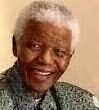
It is always a daunting challenge to embark on a commentary about Nelson Rolihlahla Mandela. So much has been documented and said that very little can be added that will be different. However his life and iconic stature still loudly offers more insights, lessons and challenges for all of us.

July 18 has become an internationally acclaimed and United Nations (UN) sanctioned holiday. This is in celebration of the contribution Madiba has made to humanity in his life time. He remains one of the most fortunate individuals that have lived to be honoured in uncountable ways while they are alive. This year, the world’s most admired statesman celebrated his 94th birthday and as usual the goodwill was overflowing from across the globe.

I have thought several times about how this great life has been a cherished part of our generation. It always vividly makes me realise how much we can learn not only from Mandela but even beyond his life.

Some leadership notes

Undoubtedly, one of the key pickups from Madiba’s political life is in the leadership arena. He has been a strong player in politics and leadership arena on account of what he has achieved. His political career climaxed in 1994 when he became the first black president in post-apartheid South Africa.

For a continent that had become accustomed to leaders that had to be forced out of office, he charmed the world when he opted to quit the trappings of power, resigning after a single term as president in 1999.

What do we have to learn here? For starters, I think Madiba has shown us all his public life that you need to stand on principle and ideology. He believed that no race should dominate the other and for that he stood ready to die. Even when opportunity presented itself for him to be conditionally released, he declined it if his people would not be free.

This is a rare quality the world is in desperate need of today. Leadership is intertwined and bedrocked on serving humanity. Our generation has been exposed to corruption, self-serving and detached leaders. Most of the time, the drama and exchanges we see in leadership has no value for the common man. But if leaders have no mindset and heart to serve, that will not matter and what we see will be the norm.

Madiba is human and has his flaws. He too has been criticised on some points during his presidency. However, the manner he led has left a lasting impression. A man that lost his life, family and comfort, isolated for 27 years in prison, has every right to be bitter. He walked to freedom, assumed an office of power and used his influence to unite a nation past its hurts, atrocities and failures. The Truth and Reconciliation Commission achieved so much in driving this agenda. There were other brains and stakeholders that made it work but Madiba’s agenda and leadership was equally instrumental. After all, he had all the power to persecute and cage the white folk that had kept him behind bars for two decades!

Today, the whole world has taken note and celebrates this.

We need to all look around ourselves in our varying roles. In politics, business, church and homes, what do we stand on in our leadership roles? Are we selfless and interested in the ultimate good of the people? That is the essence of leadership.

Madiba stood tall. Beyond the pain, he wisely knew which battles to fight in. The people’s unity was of paramount importance compared to his need to avenge his misery.

There was a bigger cause and his selflessness was unmistakable as he went further to even sacrifice a third of his salary while in office.

How does God come in?

The lessons Madiba’s life offers transcend politics and leadership. They reflect a great need humanity has for God.

Mandela remains a shining example that every “who is who” personality wants to be associated with across the globe. Celebrities and influential leaders seem to clamour for any opportunity to have a picture or audience with Madiba. His birthday is a reflection of that as different powerful people pay courtesy calls on him at his retirement home in Qunu.

With all the good Madiba has achieved, he has failed to rid the world of evil, selfishness and chaos. So many people worldwide acknowledge his stature, qualities and achievements but it ends there. Even some of his closest followers within the African National Congress (ANC) for instance are steeped in power fights, corruption cases and failures. It even goes beyond the ANC, across Africa and the globe. We have seen that it is possible to believe in something and serve humanity with good. But we see too that we have the Assads in Syria that can pulverise their own people to keep a hold on power.

This should tell us something deeper. A great man’s example has not provided impetus for everyone to do good. The rot and ills continue to ravage the world.

Our hearts are still in a mess even with a rich human example as provided by Madiba. Even those close to him are not necessarily following the lead he provided.

The corruption, wars, failures and agony continue inspite of Madiba’s life. This is simply because humanity’s challenge and problem is deeper than we seem to accept. Not a single human being can rectify this condition. All must look to something greater to deal with this chronic ailment.

That is where God comes in. What He stands for, cherishes and offers has an unmatched and crafted solution to what we face. The fact that we fail to adopt those standards entails that we remain in our condition of negativity. The world’s stage has been graced by many admirable people but it may appear it’s state has worsened. Abraham Lincoln, Mother Theresa, Princess Diana, Mahatma Ghandi, or Mandela himself are all such people and yet the world still battles against its shortcomings.

Imagine just for a moment that we all stood for what God cherishes? We would have no war. No corruption, rape, Gender Based Violence, murder, leadership failures or any other societal ills we can think of. But then we face them simply because these are standards we choose to ignore, preferring instead our own adopted yardsticks, a perfect recipe for failure.

This should challenge each one of us to undertake a soul search and introspection. To enable us know ourselves and limitations. To understand what drives us, what we lack and what keeps us from being a reflection of what God intended when He created us. How far off from the standard are we and what is our hope and required action for that good to be a reality?

All roads should and must lead to God after such an introspection.

A deceived lot?

Unfortunately, this poses its own challenge and seems to be more difficult in reality.

The standards that God enshrines are not an attractive option. Humanity boasts in its own achievements and belittles anything to do with God. Anything Godly is archaic, unintelligent and laughable.

We see this in what we treasure. For instance, the world adorns the cross as a fashionable piece around the neck. But it totally ignores the message that comes with the cross meant to heal the world of its rot. The world can celebrate and market the Ark but be silent on Noah’s example as a righteous man.

Jesus is a widely acclaimed and mentioned personality but His reason and story for walking the earth is an unattractive public proposition. As such, we battle on with our addictions, character flaws, failures and weaknesses. Even when we lead in our workplace, homes, public service and personal lives, we are flops from the onset. Simply because at our core lies a weak foundation.

We must believe in something and stand for it. Madiba is a hero today because he followed through on his conviction and the world responded. We celebrate him as outstanding and must also be challenged to believe in something.

However, Madiba is human even though he has added so much value to the world. He stood for something and many now clamour to be associated with him.

The challenge then should be that isn’t God’s agenda more important? Yet many of us would rather be distant from Him because it is not so attractive to be associated with Him. Facebook would be awash with pictures taken with celebrities and the powerful or influential like Madiba but we shy away from being identified with God or the famous Jesus Christ. That should say a lot about us, our choices and priorities.

The real issue

July 18 sees a lot of dedication and publicity as people celebrate a great man’s life. But fundamentally, it must also pose an alive challenge for us to believe in something that will outlive us. A legacy for posterity to yield lessons from.

That would guarantee that the motivation behind all we do is rooted in something stronger than egotism or self serving interests and ulterior motives.

67 minutes of PR?

I am totally won over by the rationale behind the 67 minutes to celebrate Madiba’s public service. But it leaves me questioning whether we see beyond the day and cameras.

Is this a day we simply do things to be captured by the news crew? For individuals, is it a feel good act just like offering alms? For corporates, is it an opportunity for publicity as a responsible corporate citizen?

Everyone of us must be challenged beyond the 67 minutes. We must embark on good out of the love deep in us. A desire to better the lives of those under our charge at home and our vicinity. A commitment to do good even when the cameras and TV news crews are long gone.

That is the challenge Madiba presents knowingly or otherwise. While he was stuck in prison, he impacted lives to an untold extent. Motivating others to soar above their woes, investing time in reading and learning, perhaps even more than we may have come to know.

That too is a bigger challenge presented by God. He calls us to do things out of love as faithful servants. When we veer our own direction, all else falls apart and what we see is our constant grappling with humanity’s present day challenges. Murder, theft, poverty, corruption and variations of human failure stemming from loose standards that can’t prevent these ills.

As long as it remains as it is, doing good will be a PR exercise! Madiba and the 67 minutes initiative is a great legacy but commercialisation and a hunger for publicity endangers the principle and may dilute what it is meant to achieve or awaken the world to. Good should be at our core for the sake of our fellow man and not for cosmetic reasons when cameras are flashing.

Madiba: a legacy of action

As July 18th drew to its close, I was left reflecting on what rich lessons Madiba presents to our generation.

Firstly, it is the challenge to stand for something we believe in, bigger than our circumstances and interests. Such that even when presented with power and influence, we do not use it for our agenda but for common good.

Further, Madiba with all his fame, respect and influence has still not cured the world of its ills. This should point us to a need for a more permanent and sustainable solution to bring the best out of each one of us. That can only be possible if we embrace God’s standards. And paradoxically, that seems to be our biggest challenge, embracing this God and His values.

Finally, it begs the question of how we use our stature and influence in society. We all have circles of influence, others more than the rest. How do we use these positions of privilege? Can we be Madibas in our own small way? Do we use the roles to serve ourselves? Do we recognise the need to acknowledge God and in humility submit so that He is glorified? Or does our pride set in as we believe we are our own masters and achieve all we do through our abilities?

These are questions that should matter to Madiba for as long as he is alive, to us as we serve in our different vocations and ultimately challenge us to believe and act for the good of mankind.

Madiba is human but has achieved so much. Collectively, we should be able to do more to make this a better world based on our belief in God and a motivation stronger than human role models.

Are you up for the challenge?

 
Leave a comment

Posted by on July 24, 2012 in Opinion


Cry our beloved youth

When pupils take to the street

I watched the 19 hrs news on 18th of June in awe as pupils vented their anger, burning whatever they could and blocking the road.

Kitwe boys pupils were rioting and police intervention was required to quell the protests. From a distance, one would not be faulted to assume there was a justifiable reason for this reaction. Zambia has seen such riots before in the past, mostly a reaction to teacher strikes.

This protest though was a shocker. The pupils were not happy with the school rules and the strictness they were handled with. Initially, when I heard this I was convinced I had mixed up the information given during the news.

When time, discipline and attitude are elusive

Our dear pupils preferred to report for school after 8 in the morning and were strongly opposed to the half 7 or earlier.

There is much inference one can make of this. Firstly, we must be worried about the crop of youth we are grooming. Secondly, if this continues and we have no coordinated and spirited interventions, the future is as bleak as a winter morning.

Finally, listening to some of the pupils express their grievances and coincidentally some recent assessments I have made of some teachers, the quality of education and relevant impact of our education system is a huge source of concern.

I will expand on each point.

A train off the tracks

For starters, the youth as reflected in the protesting pupils must at this stage of their lives be sharpening their discipline. This is in terms of time keeping, focus and respect.

Most of us have all been in educational institutions and know the discipline school demands. To want to report a little later raises eyebrows! This is because if we spoke to any of these youngsters, most likely we would not get any plausible reason that would win us over to their side. It could well just be a blatant reflection of rebellion and an aggressive seed of laziness. An extra hour or two in bed or outside class for more chat time than get started with learning.

This then is an indication of an attitude likely to be transferred into the professional world should this breed make it. Or worse, this is the rebellious mindset that will hit the streets of society when frustrated with the rules and discipline of school.

An urgent call for intervention

Further, if these are the warning signs of a storm brewing, then the need for intervention through guidance and character moulding is urgent.

It is not uncommon these days to see youth staggering in broad daylight or in the evening, intoxicated. It is not unusual to have youth on the wrong side of the law. It is almost normal to see youth derailed by early pregnancies, STDs/AIDS and a host of societal ills that continue to plague our country. The disillusionment is so clear.

I have on several occasions run into youth that sadden me when I decipher the choices they have made so early on in their lives. A life of weak morals, excessive alcohol intake, cigarettes, sagged slacks(jeans) and empty chats along the road as the opposite sexes whisper sweet nothings that inevitably result in broken hearts, teen pregnancies, AIDS, street kids, “one parent” children and ultimately a dysfunctional society as we see it today.

It has always been my view that our society requires a holistic and sustainable approach to defeat this cancer.

The interventions start with the home set up. What we see in parents, guardians and older folks must show us what it means to set an exemplary life in motion. However, if and when our default role models are drowning in immorality, “sugar daddy/mummy” affairs, multiple homes, children out of wedlock, divorces, domestic neglect and absent or anaemic spiritual lives, is it a wonder we see what we do in the current crop of youth?

In the absence of this strong foundation and pillar, technology has filled the void via internet, gadgets, entertainment and a host of options that are an active part of our modern youth.

The education system must also as a matter of urgency review its curricula to incorporate character moulding. Character ideally should be built in a home. This may not be the case now with children getting into school at 2 or 2 and half or being brought up by maids (perhaps relatives) because parents are pursuing busy careers and therefore absent from the home. This suggests the foundation being laid is either by the maids(or relatives) or through the education system.

Parents only have enough time to say hi to the kids after work and goodnight as the kids retire to bed.

As such, if a child is in school, the foundation will be laid there as the teacher will be a cardinal element in the child’s development. This challenges our education system to ensure part of the curriculum addresses character moulding to plant the necessary seed that will yield positive fruit as the youth swim into society.

Is the current system delivering what it should?

This brings me to my final point. The quality of education received and mode of delivery also raises a need to review its effectiveness.

I listened to two unrelated pupil interviews on the 18th and 19th of June on the news. Coincidentally, days before I had a rare glimpse of teachers, their writing and reasoning. What is the concerning attribute in both you may be asking?

Calibre. The articulation of issues, reasoning or writing pointed to questionable quality. With respect to expressing oneself, I gave the pupils the benefit of doubt because they were not interviewed in their local language. That is well understood and accepted.

However, english remains Zambia’s official language and the most probable mode of delivering lessons or lectures if you visited educational institutions. Therefore, for pupils to struggle to express themselves must trigger concern. Is it that they just failed to articulate issues but knew what they were talking about? Or could it be that perhaps that was a symptom of a challenge that loudly showed that what they were taught was also not being relayed effectively because the language had become a barrier? Assuming they are taught in english which I have no doubt they are, then how effective is the learning if they cannot even be coherent enough?

This is an area worth exploring so we are sure the right environment and delivery is made available for education to be meaningful in the lives of the youth and society’s future.

Without doubt, it also becomes imperative to assess the quality of training teachers are receiving and how impactful their end product is as they teach in classes.

If this piece is weak, we are staring disaster in its ugly face.

Where is the hope?

Not all that appears bleak means hopelessness. We make notable strides with the realisation of the daunting challenge we need to confront. That is half the battle won.

However, to defeat this common enemy, the determinant will be and is what we do about it. Our youth need help, guidance and a support environment that will guarantee sustainable intervention.

The solution(s) is not singular in approach. Rather, it is abundantly clear that the solution must be comprehensive, intertwined and concretely coordinated to be meaningful with significant impact.

It must not be isolated and rest only with teachers and the education system. It must incorporate a new approach in our homes and how we raise our children. It must extend to our society, spiritual disposition and all elements of our interwoven lives to deliberately build a more positive future. It entails all who have achieved something to hold the hands of those left behind. Those who have survived the battering of life to sail on a less crooked path leading the pack of those lost on this journey.

Idealistic it may sound. But it remains the only hope we have for us to avert a catastrophe unfolding before our eyes if we do absolutely nothing about it.

If not you and I to play a part in this, then who?

 
Leave a comment

Posted by on June 28, 2012 in Opinion, Youth


Death in Chitokoloki: The challenge of selflessness and service

Sparkling water

Chitokoloki I have come to learn means “sparkling water”. The name is an appropriate choice given the location along the banks of the mighty Zambezi river.

The mission itself is about 43km from the district headquarters in Zambezi. I have never been to the mission but was in Zambezi for the first time in 2010 when I attended the traditional ceremony Likumbi Lya Mize. One fact that is unmissable is the distance to this part of North Western Zambia. It is a good 10hrs from the Copperbelt, which perhaps means 14hrs from the capital Lusaka. Coupled with the state of the road (at least on my last visit), it is quite an undertaking when one makes the trip.

An unexpected “noise” in the silence

The hitherto muteness that surrounded Chitokoloki was broken. Some have heard of the Mission, established in 1914, while it has taken an accident to bring it to others’ attention.

Noble works such as those that happen at the Mission and areas around it, will usually go unnoticed and unheralded. But still they continue as simple and ordinary folk dedicate their lives to serving others.

The month of June catapulted Chitokoloki into the news albeit steeped in sadness. A young couple Jay and Katrina Erickson met their end when their plane crashed into the Zambezi after hitting an electricity power line. The Ericksons were in their 20s, leaving behind two children aged 2 and 1.

They had come to Zambia to serve the Mission at Chitokoloki, which is under the umbrella of the Christian Mission in Many Lands (CMML). The death of these missionaries has evoked such sadness culminating in a day of national mourning declared in their honour.

One can only pray they rest well and the legacy they leave challenges all of us, known and unknown to them.

Missions, Missionaries and Moving on

The Erickson story and legacy has made me think about missions and missionaries. I am overwhelmed with respect and admiration for these people that leave their comfort zone, cultures and families to make their homes among a strange people. All in the name of service, faith and personal decisions bordering on responding to God’s call.

I have found it strongly intriguing that it seems our colleagues, mostly from the western countries embark on this missionary journey more than we Africans. I have seen more white missionaries than black. And this is not meant to be a discussion of race but rather the openness to missionary work.

My mind goes to a close friend of mine, Pastor Phil Hunt who over 20 years ago came to Africa as a missionary with his wife, Lori. So many years later, they are at home on our continent, serving to the best of their abilities.

This story is mirrored when we review the many missionaries we may have come to know such as the Hunts, Ericksons and even a number of Catholic priests that Africa has seen. There is a decision of sacrifice that they make as they embrace a different challenging life for the good of mankind.

Yes there are some black colleagues that in their own way have also taken to missionary or priestly roles. I know of Pastor Saidi Chishimba who opted for full time ministry instead of a secular career. Or Charles Chilufya, a colleague from Copperbelt University who was recently ordained and is a member of the Catholic Jesuits.

These are people that have taken the hard, oft unpopular route. I admire the zeal that they radiate as they discharge their responsibilities. I am certain they too have peculiar frustrations in their roles but still they pursue this noble aspiration.

I know too some people that have joined the priesthood over the years with the motivation of attaining an education or as an escape from poverty.

The motives may be varied but the choice I extol is obviously that of people that have an opportunity to follow a secular path yet they deem it necessary instead to trek to the mission field.

The black and white in missions

However, the Chitokoloki and Erickson story brings me to a point where I question why we see more white missionaries than black. Could it be an insight into selflessness, a willingness to detach from what we treasure or circumstances that make it paramount to chase a secular career than missionary work?

It is true that not all can be called to be missionaries. But the ratios seem to tell another story altogether. Are our brothers and sisters more open to this call than we are?

What holds us back from also taking to the mission field in humble service? Sometimes the best answers to such searching questions lie in assessing ourselves.

I for one know a decision such as this is not an easy one. Mainly fear sets in, of the unknown it may seem. Fear to step out of the comfort zone. Fear of challenging times as one thinks of what survival will be like. The burden of responsibility and how one may support not only their nuclear family but also those dependent on them, beyond the immediate home circle.

This is a truth I have seen before. Some time back I had lightly raised this issue with my wife as I pondered on the tough decisions people make as they venture into missionary work. It was evident the thought and idea was very testing for her. The reaction was the same once when I teased my mother about it. The immediate concern for both, including myself I guess, was how we would manage without a full time secular job (read: salary I suppose)!

Usually, this is where the battle starts and a decision to go into missions meets its death here. The trappings of our careers have us hooked. The thought of detaching to do something deemed less rewarding financially is a daunting one.

It cannot be disputed that finances, obligations and family responsibility have a telling influence on such a decision.

What would be of interest then is whether such influences are only unique to us and not our western peers. They too have families, careers and financial obligations but serve they do. Why does it seem the decision is easier with them than it is with us?

Missions in our daily lives

The mission field, it is argued too, transcends being a missionary as we have come to know it. It has been modified now to also mean one can be in their careers and secular jobs as missionaries. This has been a convenient justification or explanation for not taking the full time missionary path. I know because I have used it too.

The cardinal question then becomes whether we even do that missionary work in the secular roles we use as reasons not to pursue full time missionary work.

The decision to serve must have a firm foundation and be thoroughly thought out. That is why the best motivation inevitably is the response to God’s call and an urgent need to serve mankind through our time, talents and commitment. I believe perhaps that this lightens the demanding burden of deciding to trot onto the mission field.

Maturity in faith, selflessness and a willingness to sacrifice clearly have immeasurable influence on such a calling.

We know many among us of strong faith and selfless big hearts but still we do not see as many black missionaries. Or can it perhaps be a case of limited visibility?

Questioning ourselves

The death of this young couple in Chitokoloki ignites introspection. To establish how in our roles, we serve God and mankind. To also determine why we see less of us blacks dedicating ourselves to the missionary field.

The Erickson couple so young must challenge us to assess our lives, choices, priorities and motivation. What really matters to us? It shows in our interests, time and choices.

They settled where roads are poor, where there are no proper facilities and electricity challenges are a norm. This they did having sacrificed the rewards of life in their home country in order to pursue a different path, related to their training and career but with missionary work at the core.

As we celebrate their lives and the choices made, we must also push ourselves to reflect on what drives us in life and what we will be remembered for.

In the end, there must be a greater call on our lives that influences all we do and the choices we make.

Jay and Katrina are among the many that have opted for noble vocations. Lives dedicated to evangelism, service and selflessness. It remains for us alive to consider how we can also serve. Further it matters how many more black missionaries we can see taking to the field with our white brothers and sisters, all with the intent of serving a higher calling.

The question of missions needs to be answered by all of us where we are, in our roles, careers and for the called, even further leaving the comfort they know in order to pursue the mission field on a full time basis.

This will remain the enduring testimony and challenge that this young couple’s death lives with all of us. To emulate their courage, sacrifice, selflessness and dedication that saw them serve so many kilometres away from the home, life and comfort they knew.

Their lives were ended in that plunge into the Zambezi but what they achieved in simplicity and service will be told for a long time to come.

 
Leave a comment

Posted by on June 10, 2012 in Opinion, Reflections


Let there be value adding politics!

MMD gets a new leader

The former ruling party, Movement for Multi-party Democracy (MMD), ushered in its new leadership on May 25th 2012. The preacher cum politician Dr. Nevers Mumba is the new head.

Being a major political party, this development was always bound to invite reactions and comments. Key among these of course would be those from fellow politicians.

Dr. Mumba’s speech spelt out his intentions which chiefly are rebranding the MMD in light of its corruption tag and also to keep the ruling PF in sight so as to entrench checks and balances to avert excesses by government.

Reactions and opinions

What has followed since Dr. Mumba’s ascendancy to the MMD throne demands analysis. One notable reaction is the sharp statement from PF’s Secretary General, Wynter Kabimba. He has taken time to remind Zambians that Nevers is not a factor in politics and cannot be popular enough to challenge or dislodge the ruling party.

I have no issue with these opinions. My contention and concern remains one thing, of what value are such opinions? We can go down memory lane to cite questionable actions or words attributed to our political personalities and not lack in options to pick from. Therein is the biggest challenge our leadership and nation faces. Are we really focusing on the cardinal things that can shape our great country’s future?

Lost confidence and uninspiring leaders

Zambia’s politics have for a long time seen a brand that dwells on personality bashing, public trashing and sometimes shocking jibes at each other. This approach has only led to a deteriorating confidence in the so called leaders and the politics of the day.

Both the ruling party and opposition parties have not inspired in this area. It is rare to get a refreshing presentation from our politicians, breaking down issues of national interest with alternatives or action plans to steer the nation forward.

One only needs to listen to our leaders over the next few weeks, months and soon years to decipher a consistent pattern in their utterances. It is evident that each time they have something public to say, they will be having a go at each other.

I yearn for constructive politics and engagement in this country. When we can see our leaders on one platform, debating and discussing progressive issues. When our civil society can be objective enough not to be partisan in their approach. When the student populace will not be a compromised lot swayed by popular winds, media editorial policies or a few kwacha notes. When professionals, able leaders and ordinary folk alike will be eager to serve the country and not coil away because “politics is a dirty game”.

Dawn of new era or more of the same?

The September 20th elections were characterised by the voice and choice of the people. A cry for change and progress. The dawn of a new era and way of doing things.

Alas, months later, if we do not see things for what they are and demand more from our government and the opposition parties, we are bound to get more of the same.

My expectation has been and remains that we will have a blueprint on where the country is headed. Can we identify key priority areas and align them to public pronouncements and actions from our leaders? Are the policy decisions so far reflecting a coordinated strategy and development agenda? Do we see a viable opposition that offers hope for an alternative government?

Or can we safely say, the last few months have been lost in squabbles, conflicting policy statements and uncertain economic direction? Add on a disjointed, disgruntled and lost opposition followed in tow by a visionless and spineless civil society that has drowned in partisan positions taken before the elections?

For as long as we have a crop of leaders that does not think beyond their interests, egos and pockets, Zambia will be doomed. We need to challenge ourselves as a citizenry, hold our leaders accountable and demand even more than we do if this country is to be turned around.

Time to change is now

I would like to see monthly or even quarterly public sessions with all our leaders articulating not only their vision for the country but also the practical steps being taken daily to make that vision a reality. This is both the opposition and ruling parties for they are the key stakeholders. For instance, we should have by now seen debates and discussions around topical or technical issues in the Draft constitution. We should be having a state of the nation address to update us on where we are going, where we are and what is being done to bridge this gap.

We should at this stage have been seeing, assessing and questioning a shadow government in the opposition that challenges the government into executing policy for national good.

But what do we have instead? The squabbles have continued, name calling and political leaders or groups that are all legal experts. It seems the only thing worth pursuing and adding a voice on now is the tired theme of corruption. Anyone that uses the term and points a finger at the right target gets to be heard everywhere.

Corruption is an evil that must be fought vehemently. But it is not the only thing a nation can pursue. It is not the only matter we can be discussing each day. Let the accused be pursued by the appropriate authorities and caged without all this noise we are becoming accustomed to. It is for this reason that we find ourselves in a dilemma where investigative authorities move in the direction of popular opinion or leaders are perceived to have a verdict in mind as the investigative wings do their work. While at it, the opposition and civil society are also playing along for an appearance in the media with routine and uninspiring statements.

After all the noise, where is the plan?

While all this happens, no comprehensive plan has been laid out by either side on what this country needs and actions taken.

The hospitals remain without drugs. Prisons remain overcrowded. The local currency continues on a yo-yo path. The tax regime still overtaxes the underpaid while the mines mint both on the mineral resource and taxation sides. It all appears to be an uncoordinated journey we are on.

I still hold that one of our biggest failures is the lack of exhaustive planning and disciplined execution.
We are a talking nation and when we have done or set something in motion, we ignore the follow through. We need to track all we do, commit to or plan to do. I will hold this position until I am convinced otherwise.

I will cite two examples for stating this. Firstly, there has been a lot reported and said on the imminent sale of Zambia’s $700m eurobond. This is a progressive initiative that has been in the pipeline for some time now. But the only reference to accompanying plans that I have heard are mere statements along the lines of “infrastructure development”. Not as a detailed plan but stated as a possible use for the money to be realised from the sale.

This is not sufficient and to me poses a corruption threat as there seems to be no concrete plan underpinning the sale. There has to be a blueprint for the money. The sectors, projects and priorities must be explicit to all stakeholders such that when this money comes in, the high impact initiatives will commence. In the absence of this, this may yet be another opportunity to divert resources and in turn leave the country paying debts that have not benefited us.

Secondly, there has been a loud issue on judicial reforms. These are long overdue and necessary. The nation has been gripped with a heated debate and demands for arrests and resignations. Nothing wrong with that if the situation warrants that route.

The concern for me as shared in my recent blog “Of corrupt judges, noise and the bigger picture (http://t.co/lhdBUY4N) is that we are focusing on a narrower aspect of the whole matter.

We need to go beyond three judges, beyond one wing of government and also clean up the framework around all these lapses we know exist at almost all levels of governance. That is why it saddens me when there will be a competition on who shouts the loudest about what happens to be the popular theme at a particular moment.

Reason, objectivity and posterity must prevail over emotions and veiled interests, whatever they may be.

Can we see the light now?

These are but a few pointers of areas that need to improve for our politics to mature and radiate substance. To steer us away from the disgusting politics of patronage to impress the “boss”.

This is a possibility and reality that is not far fetched if the collective mindset is altered.

Politicians, civil society and we the ordinary folk are accountable for this. We must drive the change that will develop this country beyond rhetoric, empty populist slogans and a loosely planned approach to governance.

Only then can we experience and witness politics that add value than diminish it.

 
Leave a comment

Posted by on June 2, 2012 in Opinion


Service Manix

Mad about everything service!

Zambian Economist

Free Thinking | Progress | Change

Managing Today

Insights| Change| People| Productivity

The Daily Post

The Art and Craft of Blogging

The Obama Diary

President Barack Obama ... photos, videos & a word or two